





















Nipple Piercing: How to Prevent and Treat an Infection
Table of Contents
Nipple piercings are an increasingly popular aesthetic choice, appreciated for their unique style, originality, and sometimes their symbolic meaning. However, like any piercing, they carry risks, particularly the risk of infection. Understanding the causes, recognizing the signs, and following the right aftercare practices are essential to ensure healthy healing and prevent complications associated with an infected piercing.
Understanding a Nipple Piercing Infection
When a nipple piercing is performed, the pierced area becomes an open wound, which can lead to inflammation or infection if bacteria enter the newly created opening. The human body then naturally activates its immune defenses. However, the inflammatory response can sometimes develop into an infection, which requires particular attention.
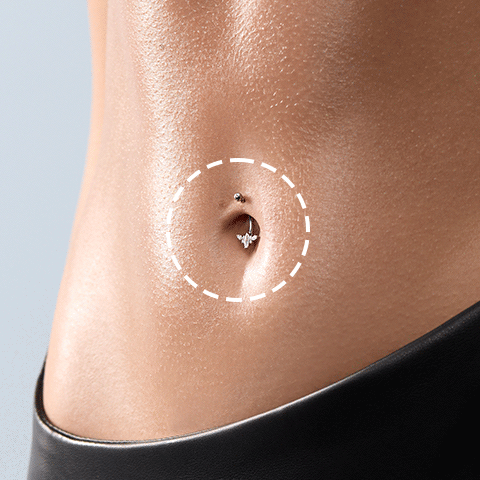
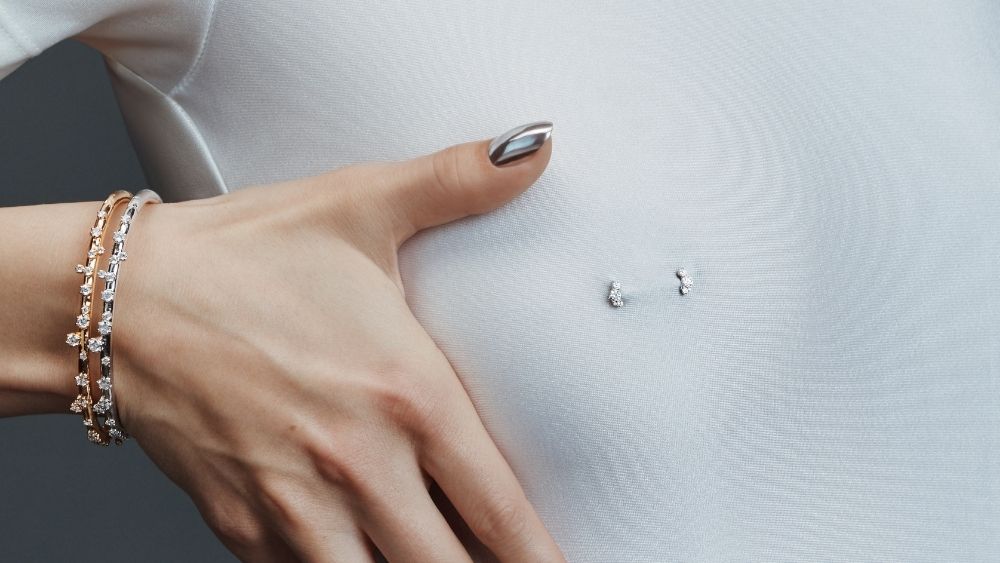
Infections do not only affect the nipples: other areas can also be affected, such as the navel. The symptoms and treatments of a navel piercing infection share several similarities with those of a nipple piercing. This shows that impeccable hygiene and daily monitoring are essential, regardless of the piercing location.
Signs of an Infection Around the Piercing
An infected piercing can present several characteristic symptoms. The area around the piercing may show significant redness, inflammation, swelling, severe pain, or unusual localized heat. You may also notice fluid discharge, sometimes containing pus, as well as increased sensitivity of the surrounding skin. In some cases, a person may develop a fever, indicating that the immune system is fighting a more serious infection.
At this stage, there is no need to panic: an early infection can often be managed with appropriate care, provided you act quickly and do not ignore the signals your body is sending you.
Common Causes of Infection
As with any skin wound, an infection can occur on a piercing throughout the healing period. Several factors can contribute to its development. The place where the piercing is performed plays a key role: an environment that does not follow strict hygiene standards increases the risk of bacteria entering the wound. The use of non-sterile or reusable equipment is also a major contamination risk from the moment of piercing.
Aftercare is equally important. Poor hygiene, frequent handling with unclean hands, the use of unsuitable products, or failure to follow the piercer's recommendations can weaken the wound and interfere with the body's natural healing process. A poorly cared-for wound is then more vulnerable to bacterial growth.
Finally, certain situations can slow healing and indirectly increase the risk of infection, such as an excessive inflammatory response, skin sensitivity, or particular physiological conditions. These factors require careful monitoring throughout the healing process.
Preventive Steps Before Getting a Nipple Piercing
The best way to prevent an infection is to prepare properly before getting pierced.
A preventive approach not only reduces risks but also promotes faster and more comfortable healing.
Choose a Professional Piercing Studio
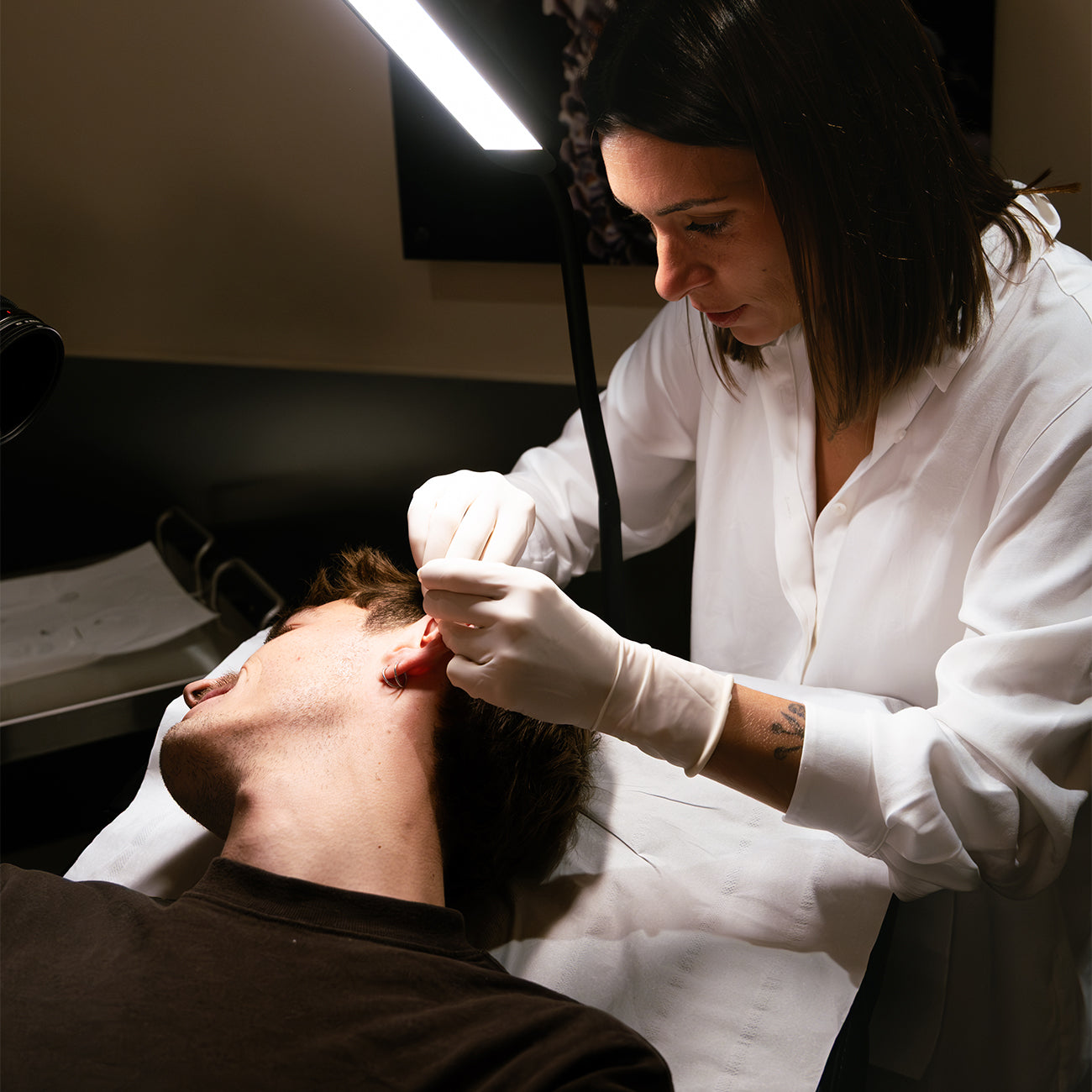
It is essential to choose a reputable professional piercer who uses quality materials and follows strict hygiene standards. Sterile equipment, gloves, a clean environment, and the professional's experience are all essential for minimizing risks.
Prepare Physically and Mentally
Proper healing depends greatly on your overall health, particularly the strength of your immune system. It is advisable to avoid excessive fatigue, maintain a balanced diet, and avoid consuming alcohol or smoking immediately before getting pierced. Being prepared to follow daily aftercare instructions is also essential, as consistency and discipline are key to successful healing.
The Importance of Choosing Jewelry for Nipple Piercings
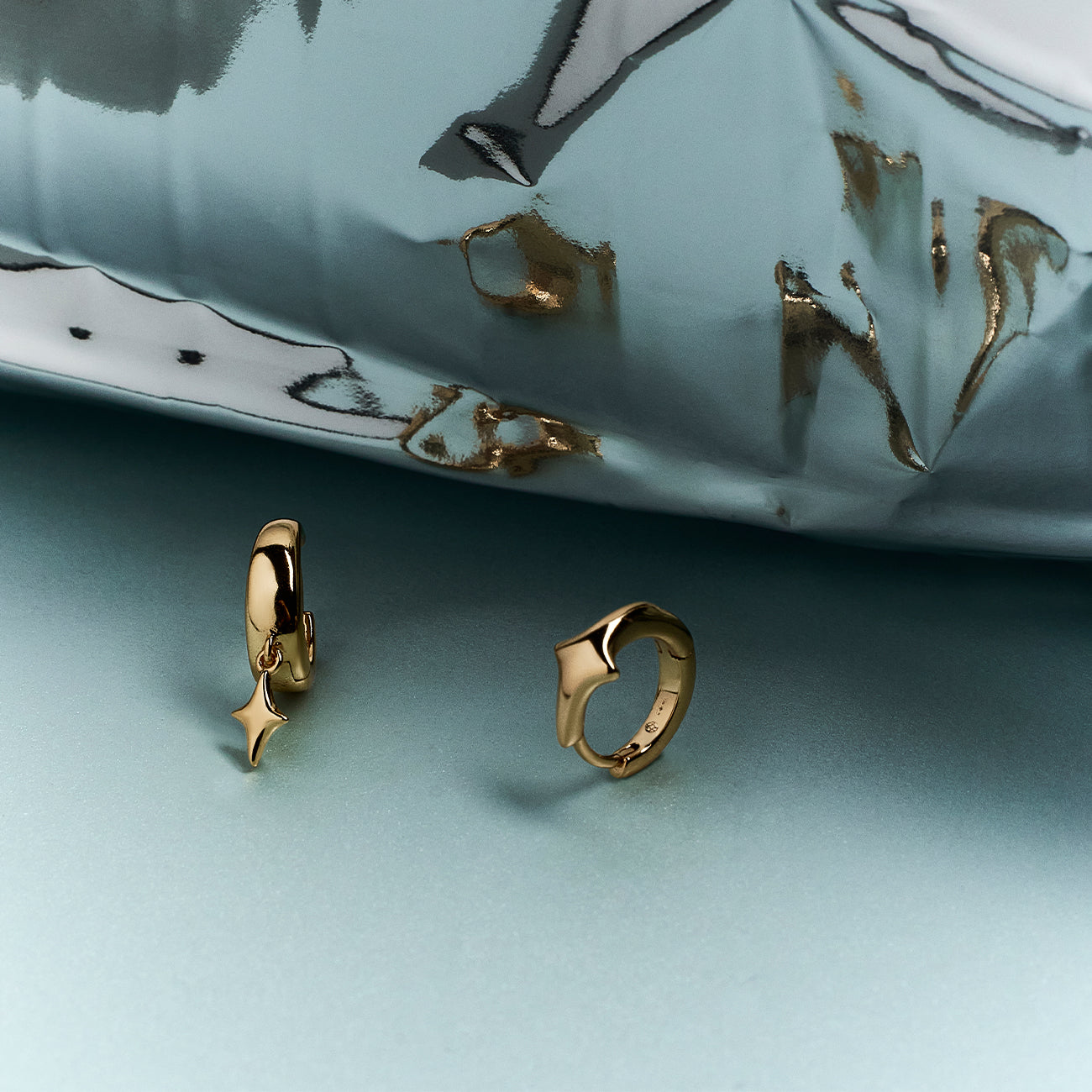
Jewelry choice plays a fundamental role during healing. Opting for hypoallergenic materials such as titanium or 14-karat gold reduces the risk of irritation and allergic reactions. This choice is also important for comfort.
Following these precautions is an essential part of preventing and treating a nipple piercing infection, as unsuitable or poor-quality jewelry can delay healing and weaken the skin.
Aftercare: Preventing and Identifying an Infection
Taking care of your nipple piercing on a daily basis is key to preventing an infected piercing. Consistency is essential: aftercare should be gentle, regular, and suited to your skin.
Daily Cleaning and Care
Clean the piercing by gently pouring a saline solution or sterile saline directly over the area. Let the solution flow gently to rinse the piercing and remove impurities.
After showering, use a clean towel reserved specifically for this purpose to gently pat the area dry — without rubbing — to avoid catching the jewelry.
This care, repeated twice a day for several weeks, helps promote healthy healing without complications.
It is also recommended to avoid baths, swimming pools, and hot tubs during the healing period, as stagnant water can contain bacteria that may infect the wound.
Recognizing the Early Signs of Infection
Monitoring the appearance of unusual redness, persistent swelling, pain, or suspicious discharge around the piercing allows you to act quickly. It is also important to watch for unusual warmth or inflammation that persists beyond a few days.
These symptoms are characteristic of a nipple piercing infection, and detecting them early can help prevent more serious complications.
If in doubt, it is always better to consult a professional rather than trying potentially irritating or ineffective home remedies.
Treating a Nipple Piercing Infection
An infected piercing should not be taken lightly.
It is essential not to remove the jewelry yourself, as doing so can potentially trap the infection beneath the skin. Consult a professional piercer or doctor promptly for appropriate treatment.
In some cases, a professional may recommend more thorough cleaning or a jewelry change to relieve pressure on the area without allowing the opening to close. However, if severe pain or significant discharge persists, only a doctor can prescribe appropriate antibiotics.
When to See a Healthcare Professional
If symptoms do not improve or become worse, it is essential to make an appointment with a doctor. Severe infections may require prescription antibiotics or other appropriate treatment to prevent serious complications, potentially including removal of the piercing.
For mild cases, an antiseptic suitable for mucous membranes may sometimes be recommended to help control the infection. At the same time, avoid touching the piercing with dirty hands, do not remove the jewelry without medical advice, and maintain a healthy lifestyle. If the infection persists, only a healthcare professional can provide effective treatment.
It is also recommended to monitor your symptoms in the days following your medical consultation: regular follow-up helps ensure complete healing without recurrence.
Mistakes to Avoid When Treating an Infected Piercing
It is important not to manipulate the wound or apply harsh antiseptic products that could slow the natural healing process.
Also avoid home remedies involving alcohol, essential oils, or vinegar. Although they are often recommended, they can further irritate the skin and delay healing.
Finally, do not neglect rest and overall hygiene: a weakened body heals less effectively and is less able to fight infections.
Read more

Discover how to heal a nipple piercing with peace of mind: tips on daily aftercare, hygiene, jewelry selection, and managing minor irritations for a safe and lasting result.

Understand the pain associated with nipple piercings, the factors that influence it, and the steps to take to minimize discomfort and promote fast and safe healing.


