



















Nipple Piercing Pain: Everything You Need to Know Before Getting Pierced
Getting a nipple piercing is a personal and aesthetic decision that appeals to many people, both men and women. The first question that often comes up is: Does a nipple piercing hurt? Understanding the process, choosing an experienced piercer, and following appropriate aftercare can help you approach the experience with peace of mind. In this article, we explore every step, from piercing to healing, as well as the precautions to take for a successful nipple piercing.
Understanding nipple piercing pain
Nipple piercing pain varies from person to person and can be influenced by several factors. It depends on individual sensitivity, nipple anatomy, the thickness of the area, and the body in general. It is normal to feel an intense sensation during the piercing, followed by more diffuse discomfort for several days. Understanding these variations can help you prepare, manage the pain, and anticipate piercing-related discomfort.
Factors influencing nipple piercing pain
Nipple piercing pain actually depends on several factors. Each person's individual sensitivity plays an essential role: some people experience pain more intensely, while others tolerate it better. The piercer's technique is also crucial. An experienced piercer will know how to place the piercing precisely, choose the right materials, and reduce tension on the skin, thereby minimizing pain.
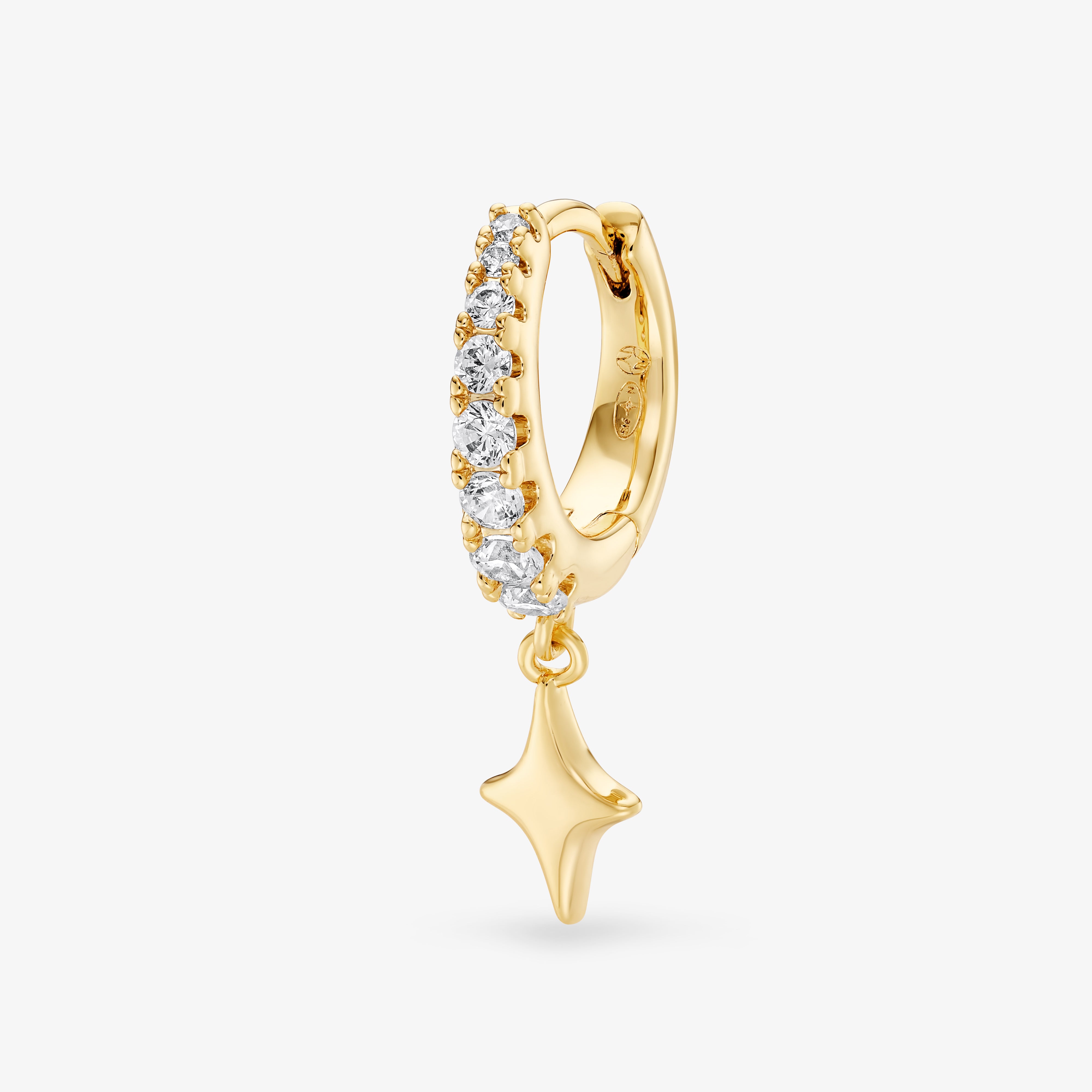
The choice of jewelry is also important: high-quality, lightweight, hypoallergenic jewelry such as titanium reduces the risk of rejection or inflammation. Poorly fitted jewelry can increase discomfort and delay healing. Stress, anxiety, and a lack of mental preparation can also heighten sensitivity to nipple piercing pain.
Acute pain vs. post-piercing pain
Acute pain occurs at the exact moment the needle passes through the nipple. It is intense but very brief, usually lasting only a few seconds. Post-piercing pain may then persist for several days in the form of tingling or tenderness when touched. This is a natural response as the body reacts to the introduction of the piercing. With appropriate aftercare, nipple piercing pain decreases quickly, also reducing the risk of infection and allowing comfortable piercing healing.
The piercing process and nipple piercing pain
Getting a nipple piercing can seem intimidating, but with proper preparation, it remains manageable. Nipple piercing pain can be anticipated through good preparation and by choosing the right tools and jewelry.
Preparation and hygiene: essential requirements
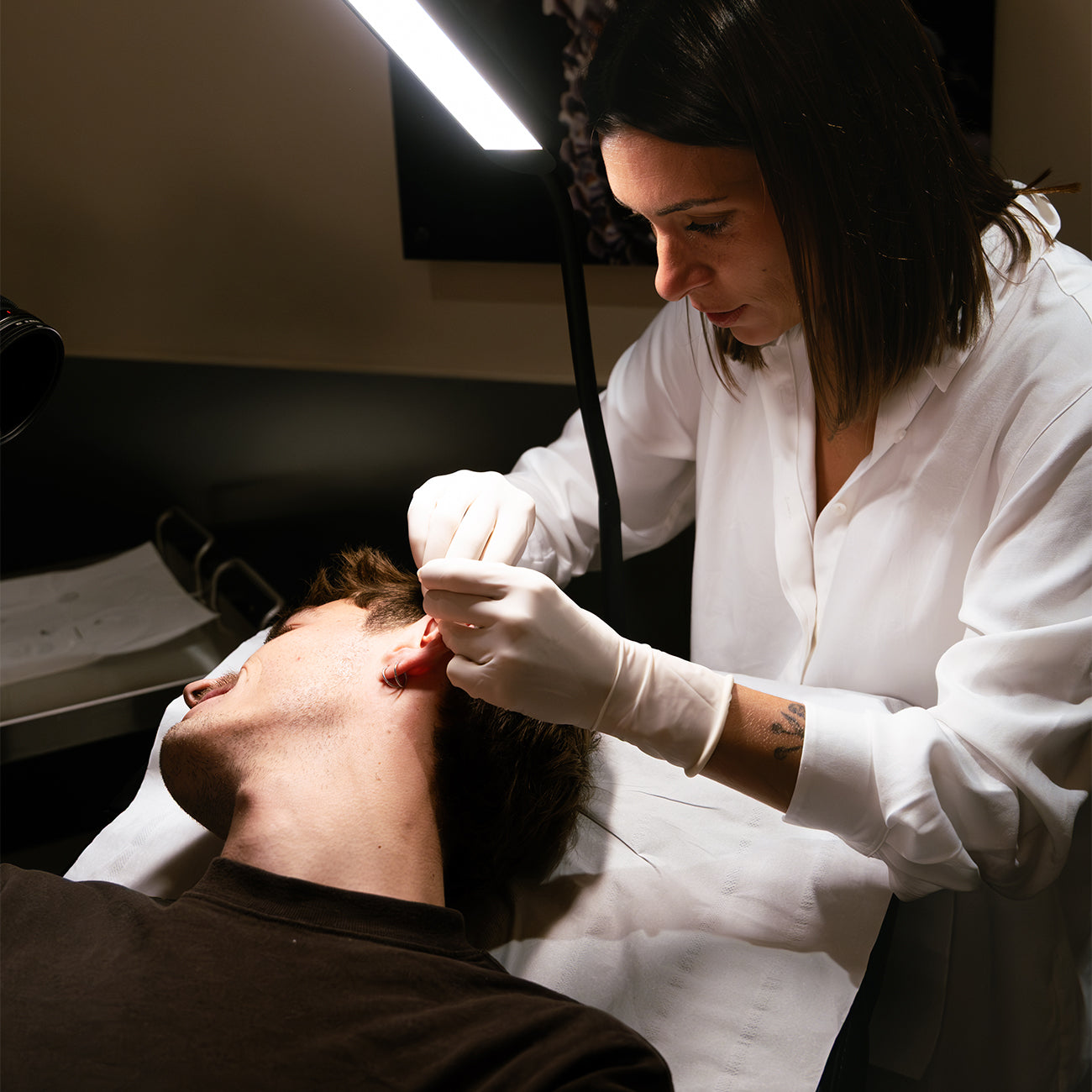
Before getting a nipple piercing, it is essential to make sure that the studio where you have your appointment follows strict hygiene standards, with particular attention paid to equipment sterilization. The piercer cleans and disinfects the area, prepares the jewelry, and ensures that all equipment is sterile. They should also be able to answer your questions and explain each step of the process to reassure you. It is also advisable to avoid alcohol, caffeine, and certain medications before the appointment, as they can increase sensitivity and the risk of bleeding. Following these precautions can help reduce nipple piercing pain.
The piercing itself: what to expect
During the piercing, the pain is felt immediately. The needle passes through the nipple and the jewelry is inserted. Although nipple piercing pain can be intense, it only lasts a few seconds. Nipple piercings may sometimes cause slight bleeding, which can be normal. After insertion, the area may be slightly swollen and sensitive. This reaction is part of the body's natural piercing healing process.
Techniques for minimizing pain
To reduce nipple piercing pain, it is recommended to relax and breathe deeply. Choosing a professional piercer plays an essential role: not only does it provide reassurance, but their expertise also helps limit irritation and complications. Choosing hypoallergenic titanium jewelry or high-quality jewelry from the start promotes smooth piercing healing, while good mental preparation can help reduce sensitivity during the procedure.
Once the nipple piercing has been performed, managing pain depends on following proper aftercare and your piercer's recommendations.
Immediate post-piercing care
Gently clean the area with sterile saline solution, avoid touching the jewelry with dirty hands, and wear loose-fitting clothing. Following these aftercare instructions helps reduce the risk of nipple piercing infection and promotes faster healing.
Tips for less painful healing
To reduce pain and support healing, avoid friction and direct contact with rough fabrics. Sleeping on your back or on the opposite side from the pierced nipple can reduce discomfort. Lightweight, properly positioned nipple jewelry can also facilitate piercing healing.
Normal symptoms vs. complications
Mild redness, swelling, or tenderness to the touch are normal. Severe pain, yellowish discharge, or persistent warmth may indicate an infection. In this case, consult a professional piercer or doctor promptly to avoid complications.
Comparing pain: nipple piercing vs. other piercings
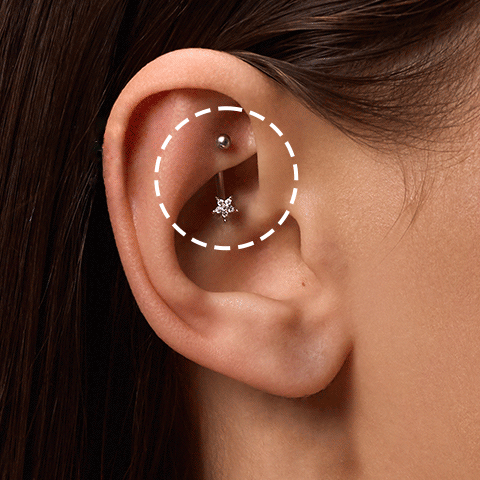
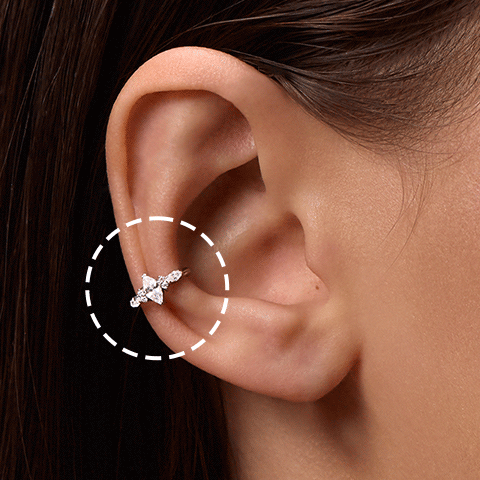
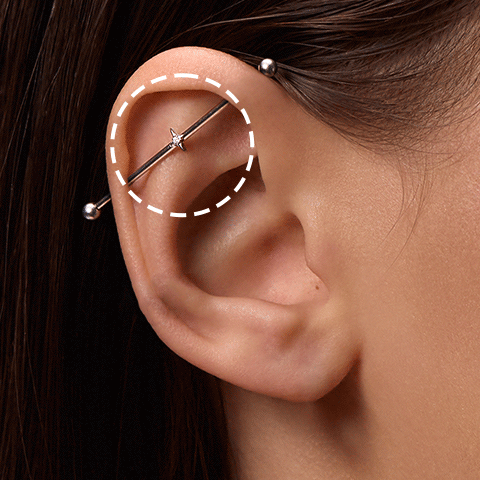
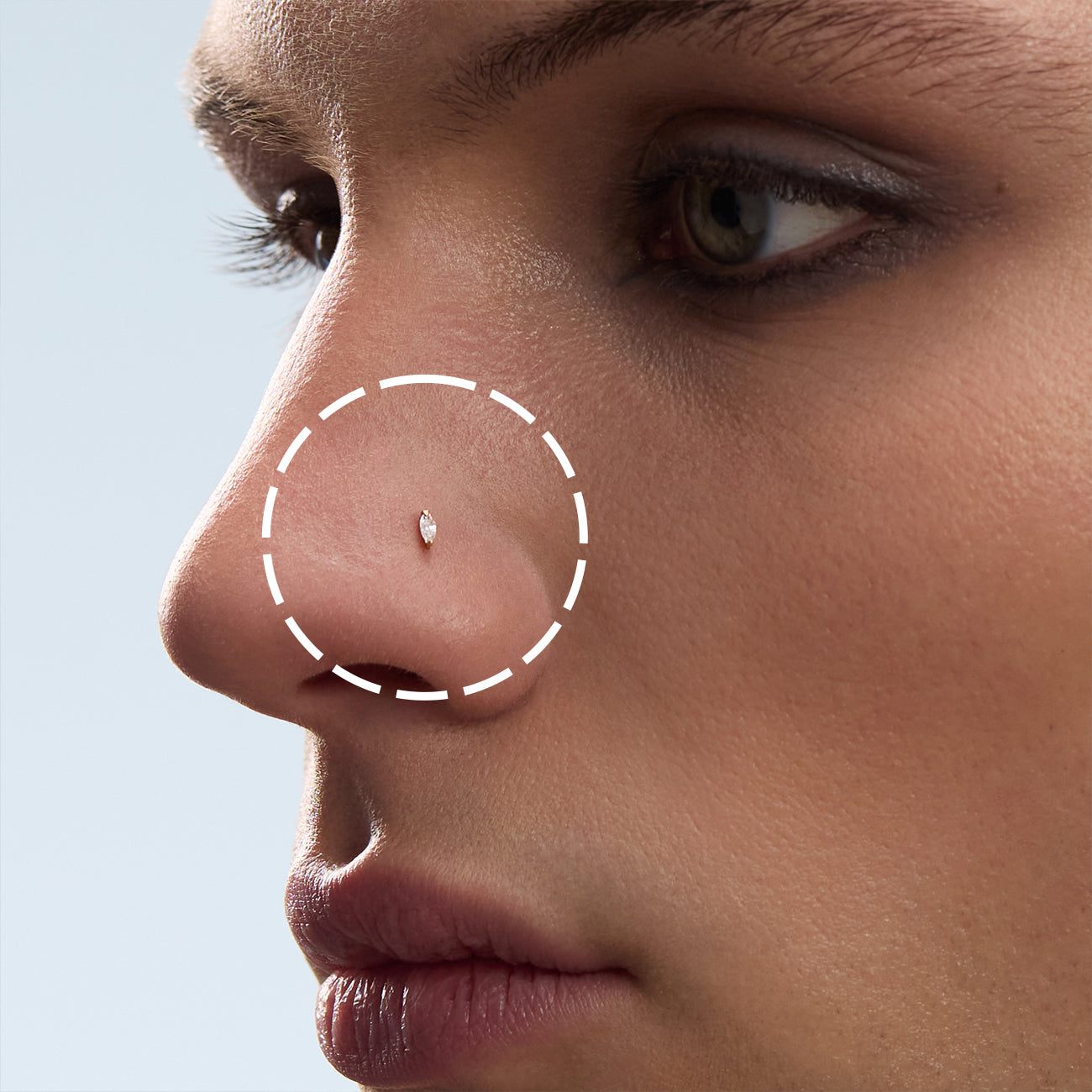
Nipple piercing pain is generally higher than that of a lobe, helix, or navel piercing. It is often described as ranging from 6 to 8 out of 10, due to the high number of nerve endings in this area. However, pain perception varies from person to person and depends on individual anatomy.
Pain scale for different piercings
-
Earlobe: mild pain
-
Nose: mild pain
-
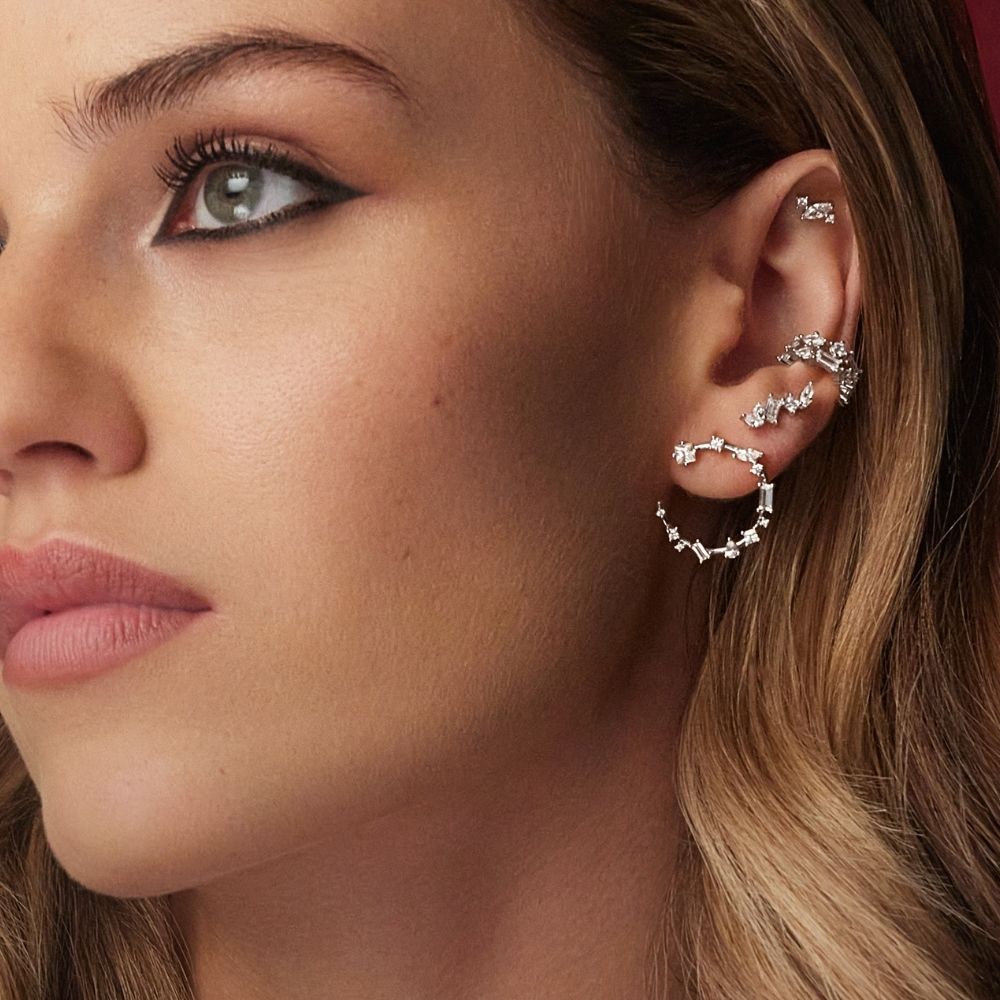
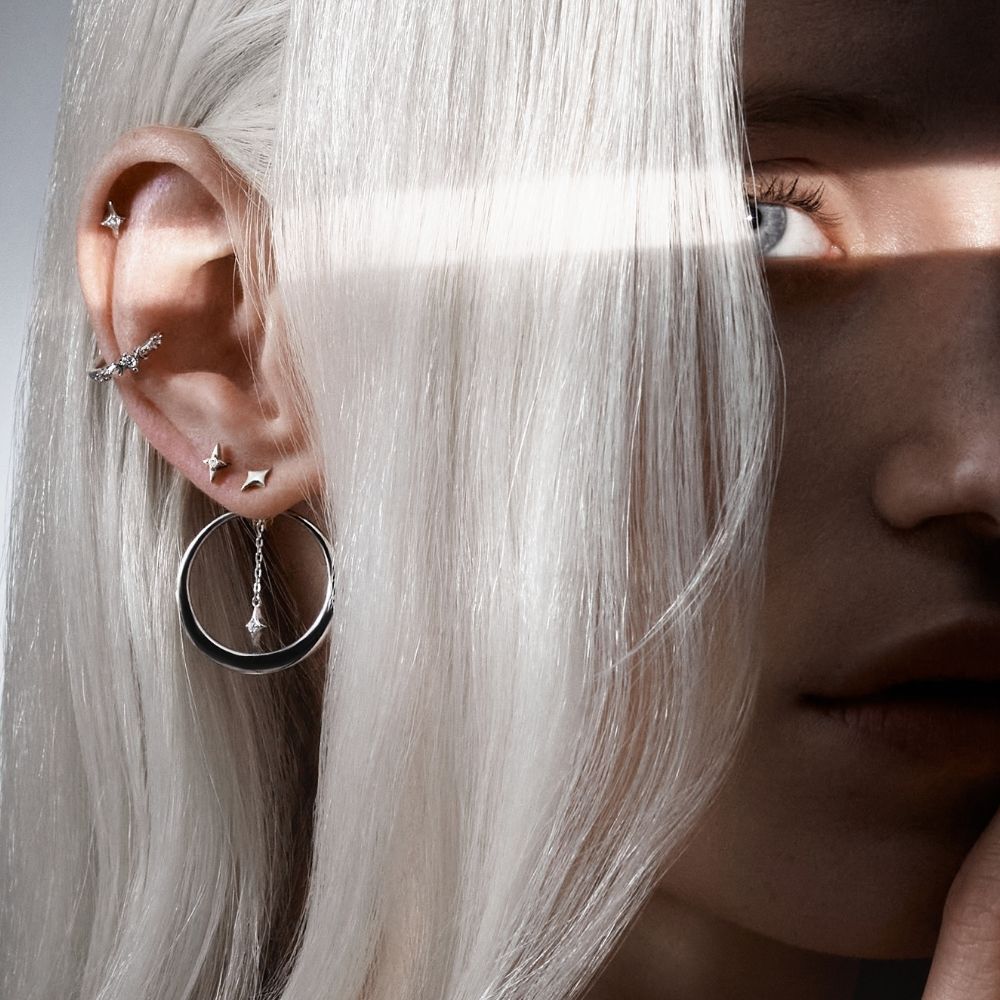
Helix: moderate pain
-
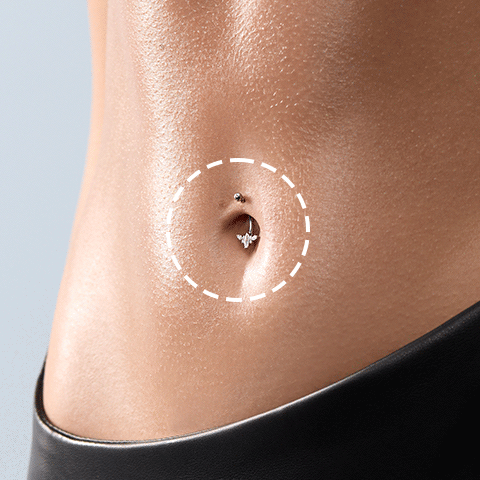
Navel: moderate pain
-
Nipple: more intense pain
Precautions and considerations before getting a nipple piercing
Choosing a qualified professional
Before getting pierced, it is important to choose an experienced professional piercer. A good specialist, particularly when working with women, will know how to minimize pain while also reducing the risk of rejection or infection. They can help you select the ideal jewelry, generally titanium, ensure precise placement, and explain the appropriate aftercare.
Taking your own pain sensitivity into account
Sensitivity varies from person to person. Understanding your own tolerance for nipple piercing pain can help you prepare mentally and manage anxiety.
Potential impact on daily life and activities
During piercing healing, some activities may temporarily be uncomfortable. Wearing tight tops, intense exercise, or prolonged contact with the piercing can cause discomfort. It is therefore advisable to plan your piercing at a time when you can focus on rest and aftercare, while also taking piercing contraindications into account before getting started.
FAQ: Frequently asked questions about nipple piercing pain
How long does post-piercing pain last?
Nipple piercing pain generally lasts between 2 and 5 days, although it can sometimes persist for longer. Mild tenderness may remain for several weeks, especially when the piercing comes into contact with clothing or the surrounding area.
How can you manage stress before getting pierced?
To make the experience easier, it is recommended to prepare mentally, breathe deeply, and get enough sleep. Talking with your piercer can also help you feel reassured and prepare for nipple piercing pain.
Can medication be taken to reduce the pain?
After the piercing, a mild painkiller may be taken if necessary, but anti-inflammatory medications should be avoided before the appointment. This can help reduce discomfort while preserving normal blood clotting and supporting proper piercing healing.
Read more
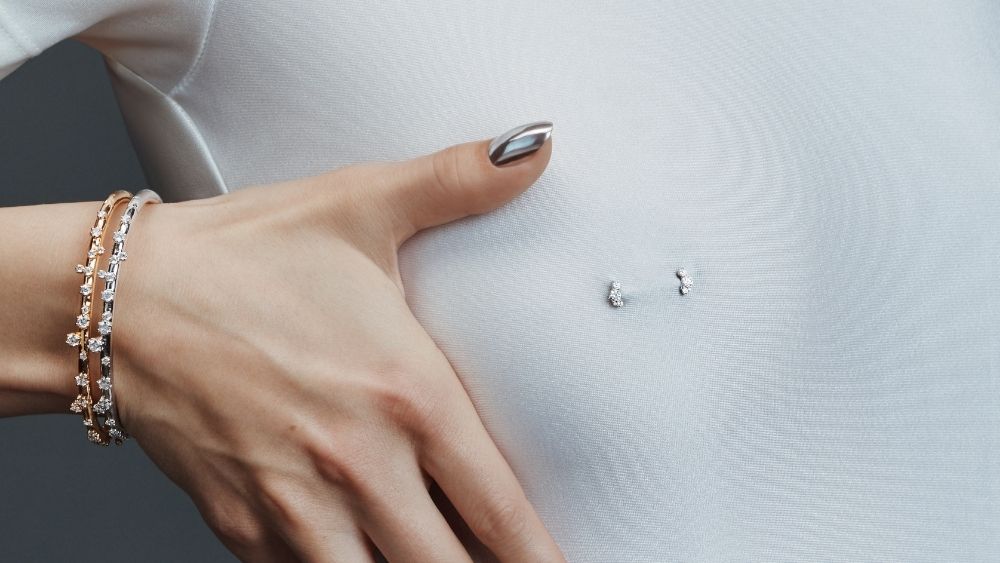
Essential guide to understanding, preventing, and treating a nipple piercing infection with confidence.
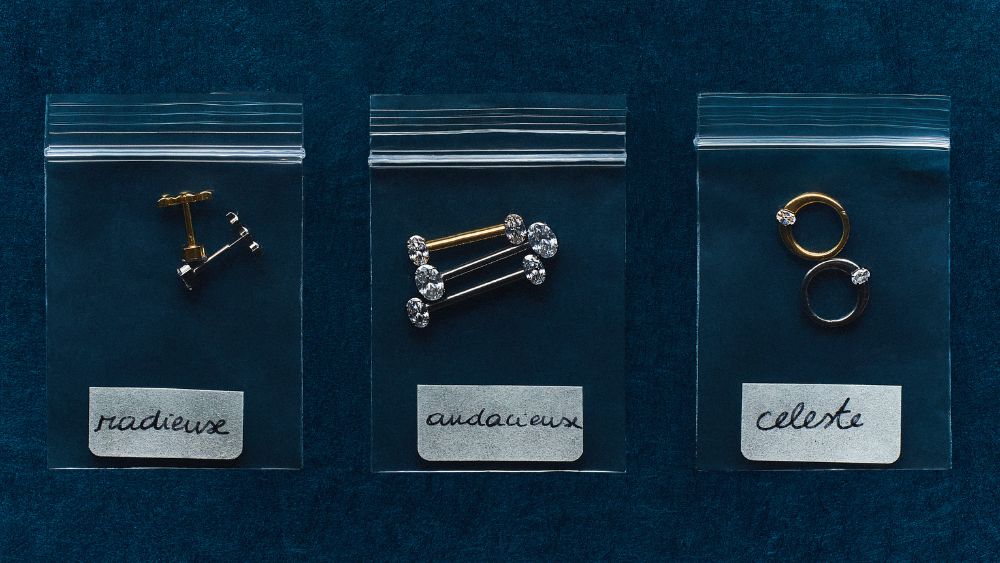
Everything you need to know about nipple piercing rejection: causes, signs, prevention and aftercare to reduce risks, promote healing, and know how to react if the body rejects the jewelry.


