




















Everything you need to know about nipple piercing healing
Nipple piercing
Nipple piercing is a popular trend among both women and men. It combines aesthetics with personal symbolism, but requires a real commitment to aftercare. For optimal nipple piercing healing, it is important to understand the piercing process, the precautions to take, and the materials to choose.
Before getting pierced, it is important to learn about the materials used, potential risks, and how to choose a piercer. The piercing can be performed horizontally or vertically, depending on the breast anatomy and individual preferences.
An experienced professional piercer will be able to determine the best placement and use sterile equipment to reduce the risk of infection and irritation. This choice is essential, as improper piercing can delay healing or even cause complications.
Before getting a nipple piercing
Getting a nipple piercing should not be taken lightly. Before your appointment, it is important to learn about suitable materials and the precautions to take based on your individual situation.
Choosing the right materials
The choice of jewelry plays a key role in the success of the piercing and its healing process. To reduce the risk of irritation or allergic reactions, it is recommended to choose hypoallergenic materials such as titanium.
This metal is biocompatible, durable, and perfectly suited to a first piercing.
Titanium is often preferred because it does not contain nickel, a common allergen. Choosing high-quality jewelry from the start helps support faster and healthier nipple piercing healing.
Special precautions
Certain situations require particular attention before getting pierced. Piercing should not be performed during pregnancy or breastfeeding, as the body is already undergoing important physiological changes. During these periods, the immune system is naturally altered, which can slow healing and increase the risk of complications. This is therefore a contraindication to piercing, regardless of the location.
People with reactive skin, particular skin sensitivities, or a history of dermatological conditions should also inform their piercer so that the materials, technique, and aftercare can be adapted accordingly.
In general, it is recommended to arrive at the appointment well-rested and hydrated, and to avoid alcohol or blood-thinning substances before the piercing. These precautions help ensure a safer procedure and optimal healing.
The nipple piercing process
How the piercing is performed
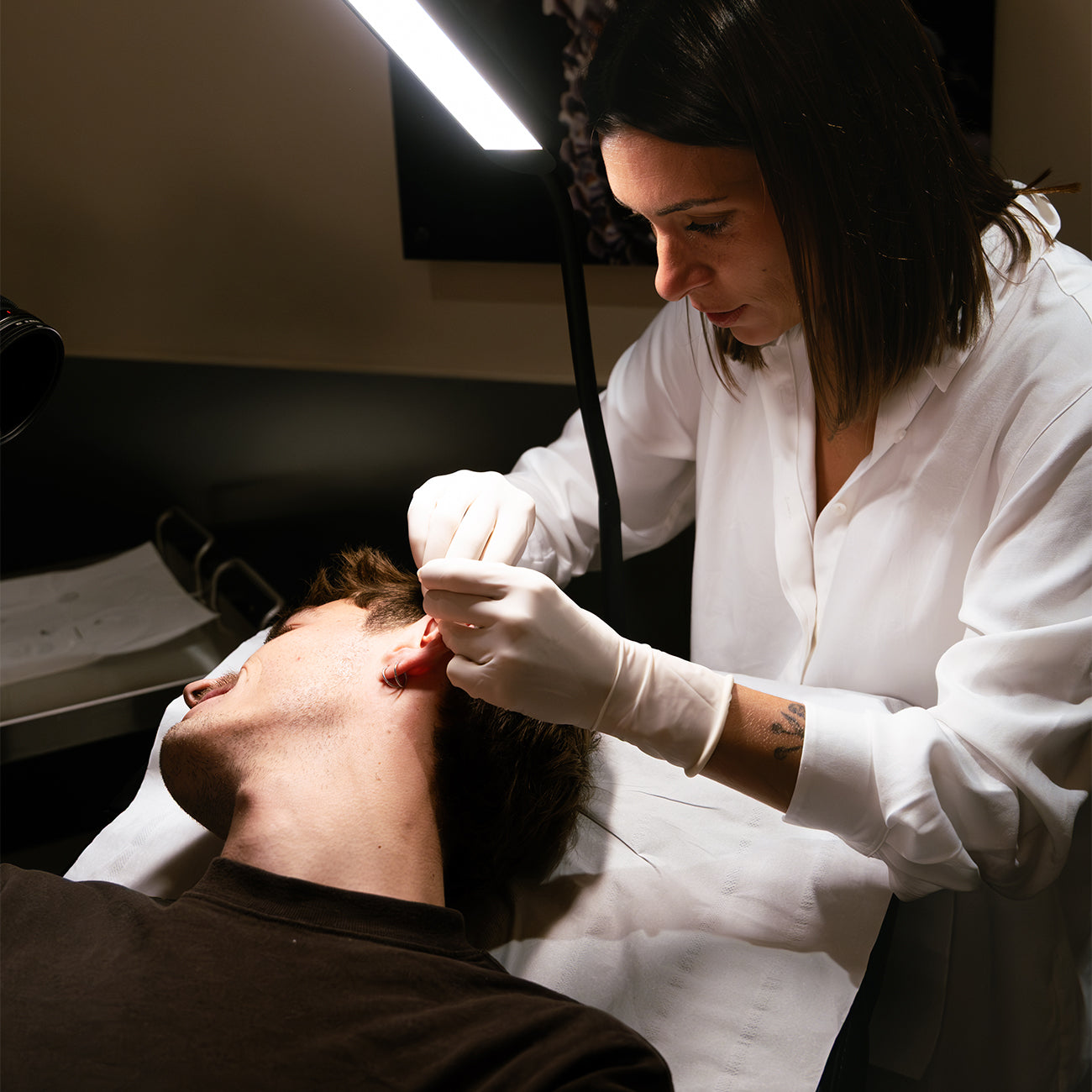
Nipple piercing is a quick procedure, generally performed within a few minutes. The piercer cleans and disinfects the area before marking the precise placement of the jewelry. Then, using a sterile single-use needle, they pierce the nipple according to the chosen orientation.
The pain associated with piercing is often described as brief but intense, and varies depending on individual sensitivity. Most importantly, proper hygiene conditions must be maintained: sterile equipment, disposable gloves, and a clean environment. These precautions significantly reduce the risk of infection and support better healing.
Choosing the jewelry
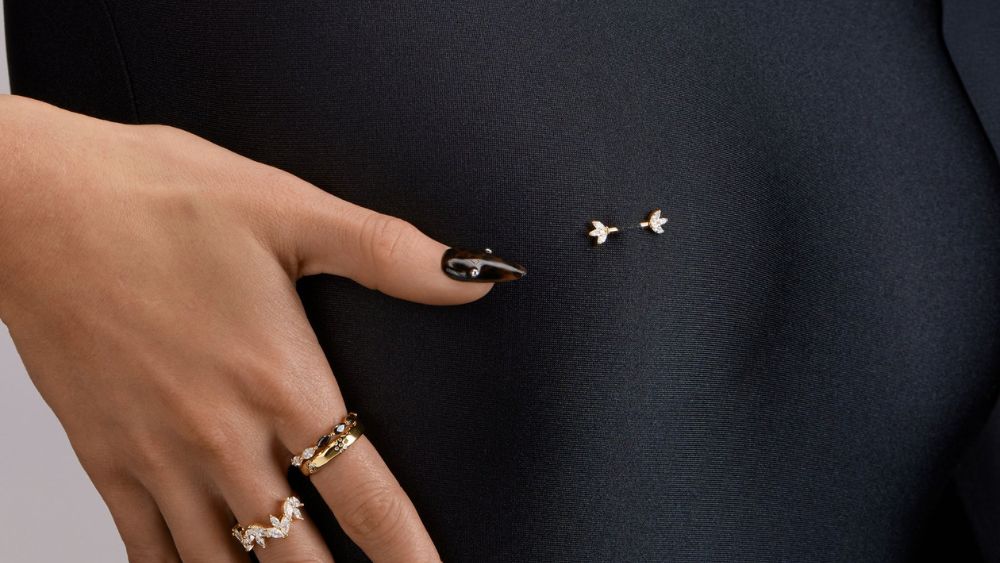
For a first piercing, a straight barbell is often preferred because it allows for more stable healing than a ring. The jewelry should be long enough to accommodate slight initial swelling, but not so long that it catches on clothing.
Once the piercing has fully healed, you can change it to another style of jewelry according to your aesthetic preferences. This is when you can truly enjoy a fully healed nipple piercing.
Piercer's guidance
A professional piercer should explain the process, aftercare instructions, and signs to watch for in case of complications. Do not hesitate to ask questions before, during, and after the appointment: understanding each step will help you manage the healing process more effectively.
Nipple piercing healing
Stages of healing
Nipple piercing takes longer to heal than piercings in other areas because the area is often exposed to friction and moisture. On average, healing takes between six and twelve months, depending on the individual.
Here are the main stages of the process:
-
Inflammatory phase (days 1 to 10): the area may be red, sensitive, and slightly swollen. These signs are normal as long as the pain remains moderate.
-
Regeneration phase (weeks 2 to 8): scar tissue begins to form and irritation gradually decreases.
-
Maturation phase (months 3 to 12): the skin becomes stronger and the piercing becomes more stable. This is the period when you should remain vigilant and continue your aftercare, even if everything appears healed.
Aftercare
Good hygiene is essential to prevent infections and promote fast, healthy healing. Here are the recommended steps:
-
Clean the piercing twice a day with sterile saline solution.
-
Wash your hands thoroughly before touching the jewelry.
-
Avoid twisting or manipulating the jewelry during healing.
-
Wear loose-fitting cotton clothing to reduce friction and allow the skin to breathe.
-
Avoid intense physical activity and prolonged exposure to baths, swimming pools, hot tubs, or the sea during the first few weeks.
These simple habits are essential for preventing complications and ensuring complete piercing healing.
Healing time
The healing time for a nipple piercing depends on many factors, including your body, your hygiene, and how closely you follow the recommended aftercare. In general, complete healing takes between six months and one year.
The first few weeks are crucial, as this is when the risk of infection is highest. Regular follow-up with your piercer can help assess the healing process and provide personalized advice.
Even if the piercing appears healed on the outside, the internal channel may still be fragile. It is therefore important not to change the jewelry without professional advice. These precautions for healing a nipple piercing help ensure lasting healing without complications.
Complications and risks
Possible complications
As with any piercing, complications can occur, especially if aftercare instructions are not followed. Infection is one of the most common: symptoms may include persistent pain, significant redness, or yellowish discharge. Irritation can also occur, often caused by tight clothing or repeated friction.
Some people may experience an allergic reaction to the jewelry metal, which is why choosing a hypoallergenic material is important. In rare cases, the body may reject the piercing, causing the jewelry to migrate toward the surface of the skin.
Finally, healing problems such as the formation of growths or small areas of scar tissue may occur. These situations can delay nipple piercing healing, but with appropriate care and professional follow-up, they can generally be managed without serious consequences.
Tips for reducing risks
The best prevention is to follow hygiene rules and your piercer's advice. Choose a reputable, properly trained professional who works in a sterile environment. Follow the recommended cleaning routine, avoid touching the piercing without washing your hands, and monitor any unusual symptoms.
If in doubt, do not try to remove the jewelry yourself, as this could make an infection worse. Consult a doctor or return to your piercer for a safe and prompt assessment.
Certain situations, such as piercing during pregnancy, require particular attention and should be discussed with a healthcare professional to avoid unnecessary risks.
Read more
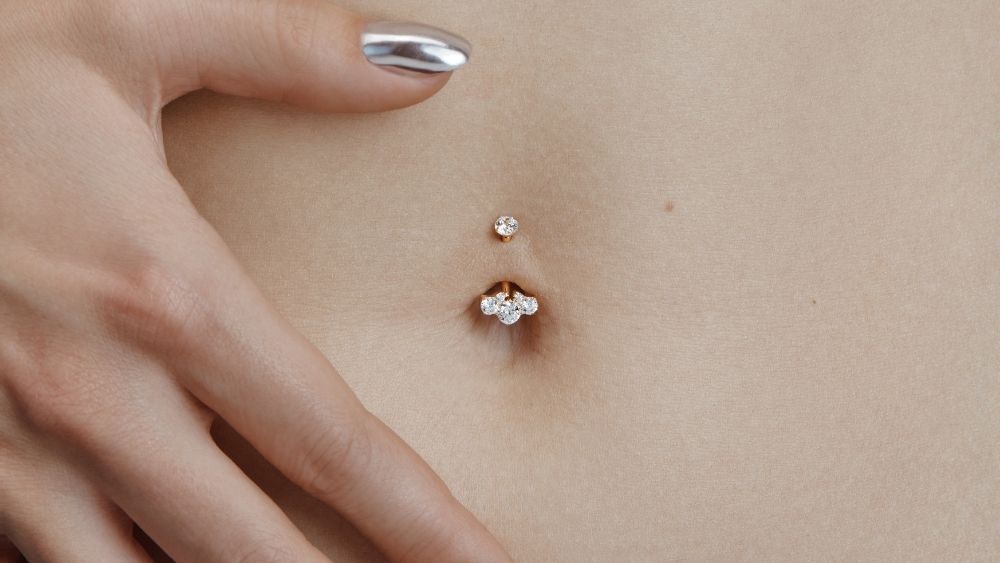
Discover how to wear a belly button piercing during pregnancy safely: advice, precautions, and solutions to respect your body’s changes with gentleness and peace of mind.
Essential guide to understanding, preventing, and treating a nipple piercing infection with confidence.


