





















Belly Button Piercing Pain
A belly button piercing is much more than just jewellery. It is a true expression of individuality, a symbol of confidence and sensuality that enhances the stomach with elegance. Whether discreet, bold or adorned with a zircon, it has stood the test of time without losing its magic. But before getting your navel pierced, one question often comes up: how painful is a belly button piercing? This guide takes you through every step, from piercing to healing, with a focus on the care required to make the experience as comfortable and reassuring as possible, with practical advice and the right habits to adopt.
What is a belly button piercing?
A brief history and its popularity
Belly button piercing has a rich history. Already practised in some ancient civilisations, where the navel symbolised femininity and connection to the body, it became a modern symbol of style and confidence in the 1990s, when it grew into a trend and a form of personal expression and freedom. Today, it remains a timeless choice for those who want to express their style and individuality.
Types of belly button piercings
There are several types of belly button piercings, each offering a unique experience.
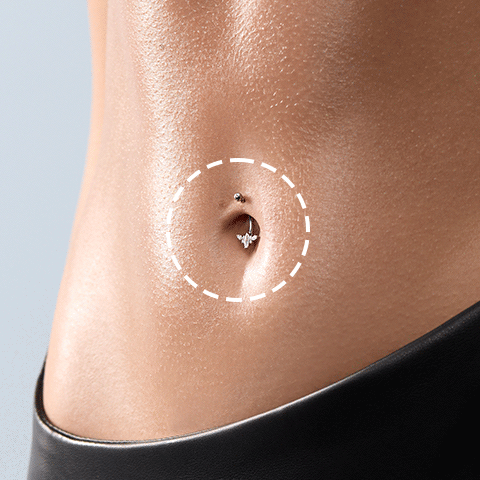
The classic vertical piercing, located on the upper part of the navel, is the most common and balanced.
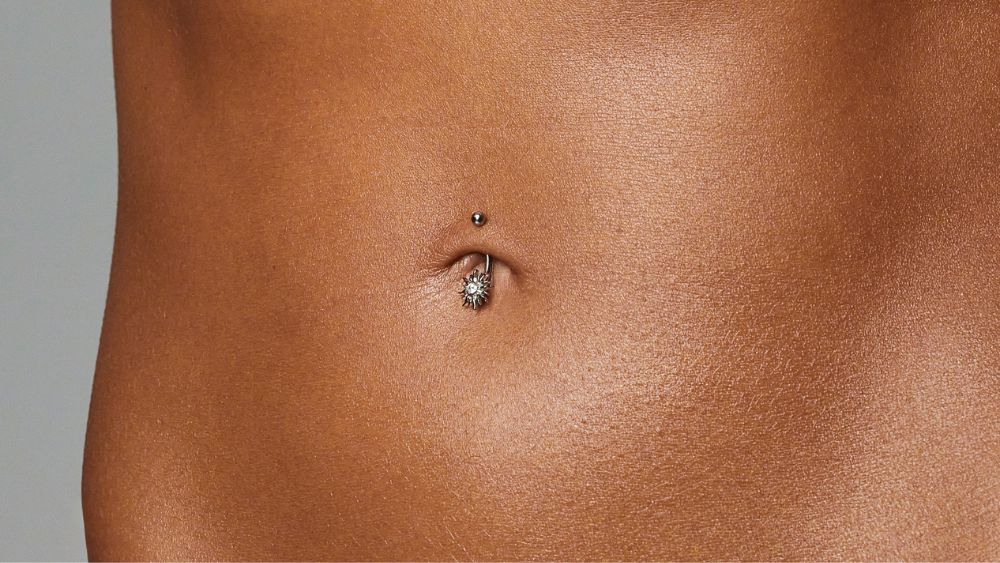
The inverse piercing, located below the navel, offers a subtle and contemporary look.
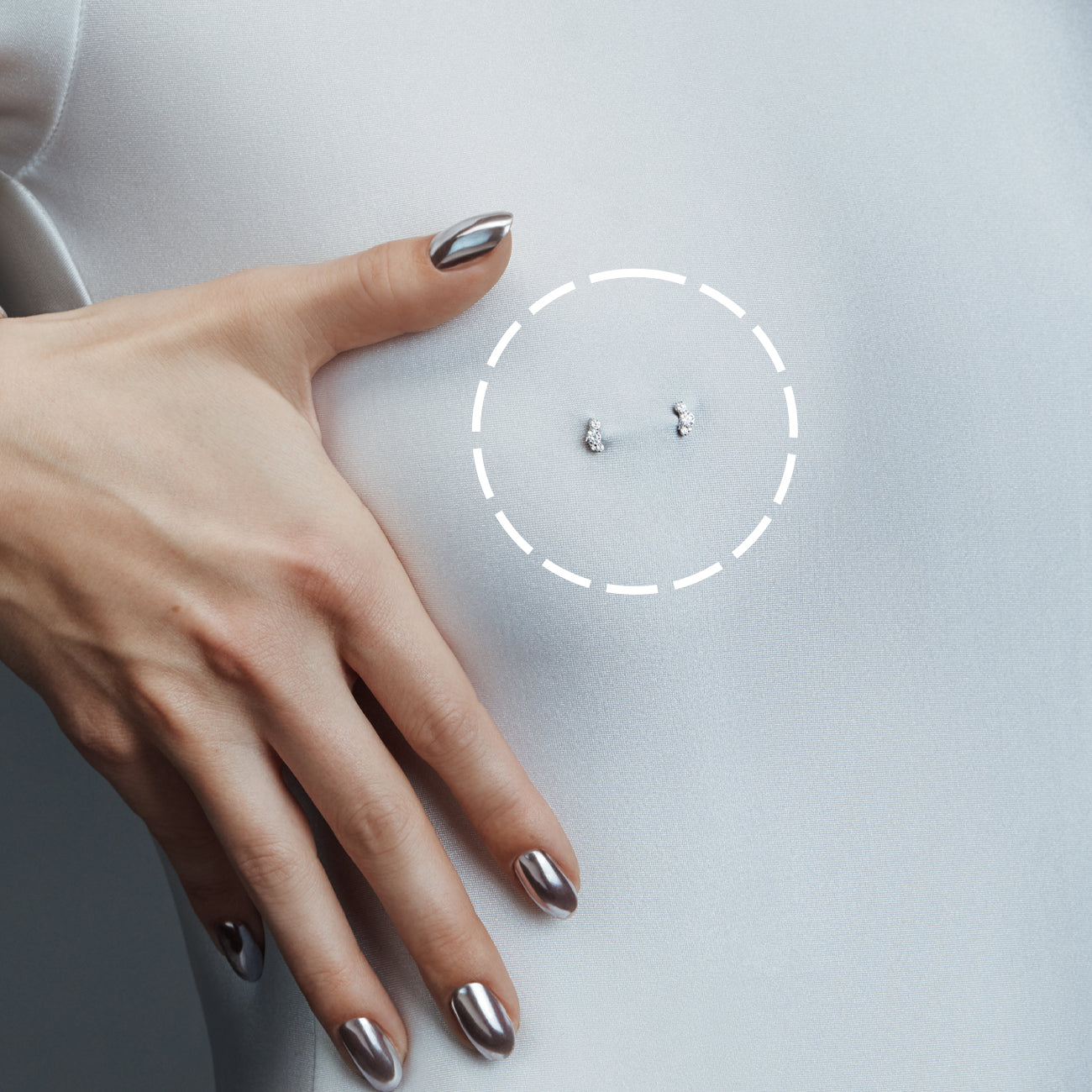
The horizontal piercing passes through the skin from one side to the other. This surface piercing requires particular attention during healing.
Each position slightly affects the sensation during piercing and the healing time. To find the perfect jewellery, you can discover our piercing collection, designed to suit different body shapes and styles.
Belly button piercing pain explained
Factors affecting pain
The pain associated with this piercing depends on several factors. Pain tolerance varies from person to person, while skin thickness, physical and emotional condition, and the piercer’s experience all play an important role. In general, belly button piercing pain is brief and comparable to a pinch, sometimes accompanied by a feeling of warmth or pulsing around the pierced area, which quickly fades.
Comparing the pain with other piercings
Compared with other piercings, such as nose, cartilage or lip piercings, belly button piercing pain is generally moderate. The navel contains fewer nerve endings, which can make the sensation less intense than in other more sensitive areas. However, slight discomfort may persist for a few days, especially if clothing rubs against the stomach or jewellery.
Preparing for your piercing appointment
Choosing the right professional
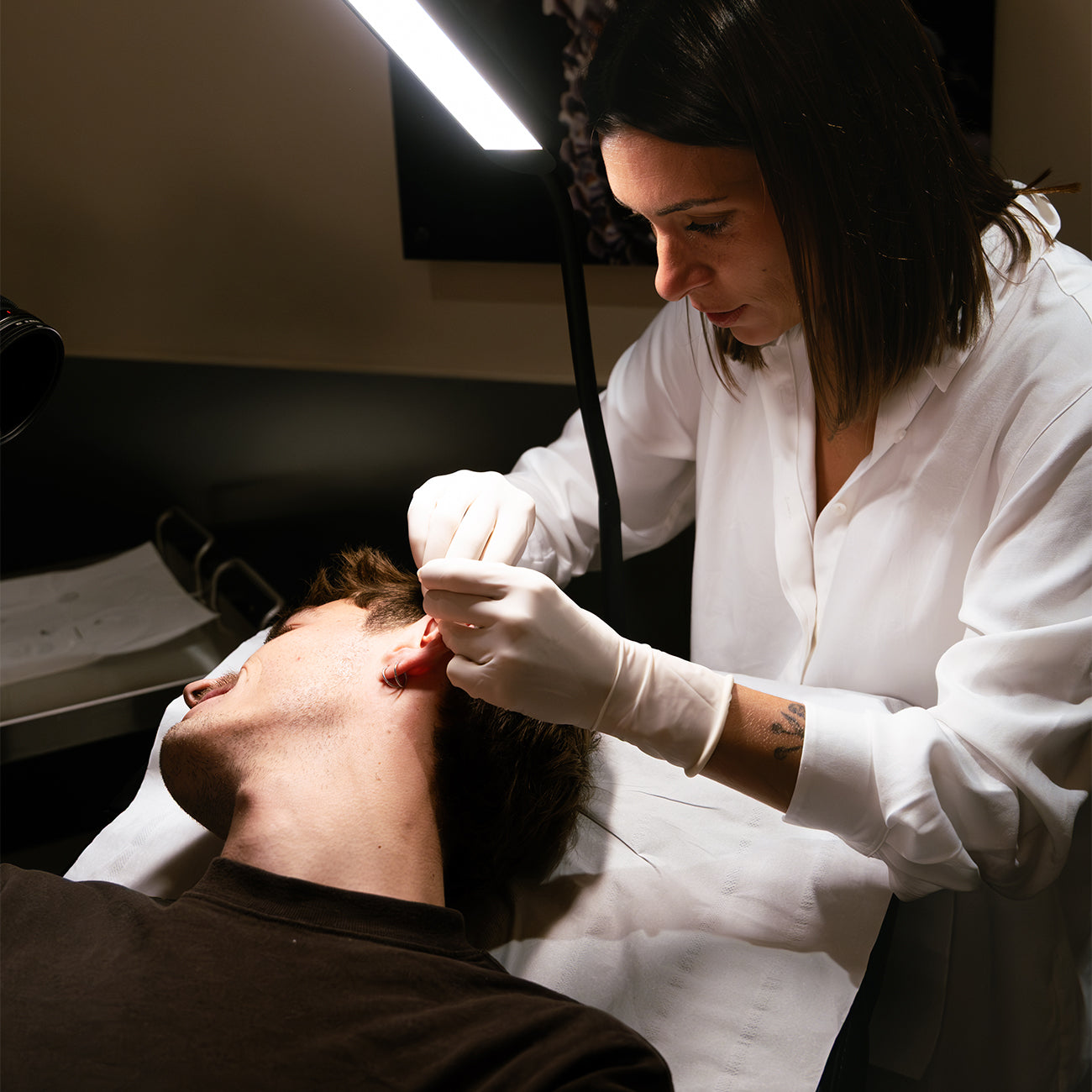
Choosing an experienced piercer is essential. A clean studio using sterile equipment and following strict hygiene protocols helps ensure a safe and comfortable piercing. Take the time to check the professional’s reputation, read reviews and ask all your questions. A good piercer will explain each step and adapt the piercing to your anatomy to minimise discomfort.
Physical and mental preparation
Before your appointment, make sure you get enough sleep, eat a light meal, stay hydrated and avoid alcohol or coffee. Deep breathing and relaxation can help you manage the pain more easily. Good mental preparation can make the experience calmer and more reassuring.
Having realistic expectations about pain
Belly button piercing pain is subjective: some people experience an intense but brief pinch, while others feel pressure or pulling. The piercing itself is quick, often lasting only a few seconds. The most important thing is to trust your piercer and remain relaxed.
Managing pain during and after the piercing
Techniques to reduce pain
To soothe belly button piercing pain, focus on your breathing during the procedure and wear loose clothing to prevent friction. Morning and evening, gently rinse the area with sterile saline solution to clean the piercing, soothe discomfort and reduce any sensation of warmth. These simple care steps, combined with choosing suitable jewellery, help support healing and prevent irritation.
Immediate aftercare
After the piercing, it is essential not to handle it unnecessarily: avoid touching, twisting or initially disinfecting the jewellery. To clean it, always wash your hands before touching the jewellery, use saline solution twice a day and let the liquid gently run over the piercing. Also avoid tight clothing or prolonged friction around the area to encourage optimal healing. If you notice redness, a bump or discharge around the piercing, it is important to prevent or treat a belly button piercing infection promptly.
Healing a belly button piercing
The healing process
Healing generally takes between 6 and 12 months. During this period, each stage may last longer or shorter depending on the individual. Slight redness or tenderness is normal during the first few days. Lifestyle, consistent aftercare and the quality of the piercing all influence healing. Belly button piercing pain and healing develop together: a good cleaning routine helps ensure comfort and safety.
Aftercare for better healing
To care for your belly button piercing, rinse the area regularly with sterile saline solution, avoid swimming pools and hot baths, and do not unnecessarily twist the jewellery. Choose lightweight, breathable clothing and avoid putting unnecessary pressure on the pierced area. Patience is essential to allow complete healing without complications.
Jewellery choice and its impact on pain
Recommended materials to reduce the risk of irritation
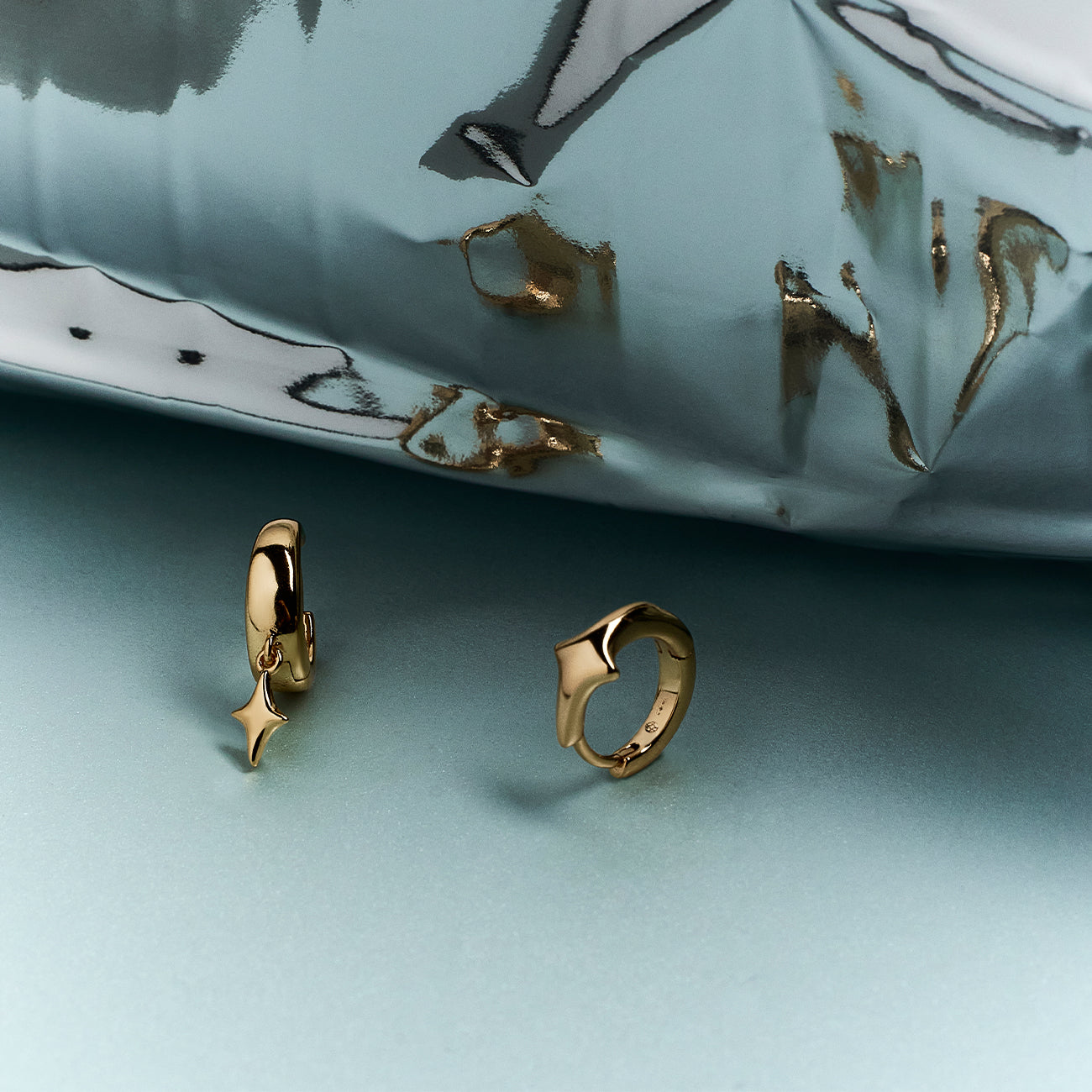
Jewellery choice directly affects pain and healing. Choose body jewellery suitable for the navel, made from hypoallergenic materials such as titanium or gold of at least 14 karats. These materials help limit irritation, adapt well to the skin and provide comfort and durability. Nébuleuse Bijoux creations combine style, safety and elegance to enhance your stomach.
When and how to change your jewellery
Changing your jewellery too early can cause micro-injuries and delay healing. Wait at least 6 months, or longer depending on signs of healing. A piercer can check whether the area is ready before you change the jewellery. Once healing is complete, you can explore different styles and decorative ends. Feel free to discover our piercing collection to find one that matches your style.
Managing potential complications
Identifying signs of infection or rejection
Even with careful aftercare, complications can sometimes occur. It is important to watch for warning signs:
Infection: redness, significant swelling, pain, purulent discharge and sometimes fever.
Rejection: the jewellery may migrate, with more and more of the bar becoming visible through the skin, generally without pain.
If you have any doubts, do not hesitate to seek advice from a professional: detecting an infection or rejection early can help ensure safe and comfortable healing and allow the jewellery to be removed if necessary.
When to consult a professional
If the pain persists, the redness increases or the area appears inflamed, consult a professional. A piercer or doctor can identify the exact cause and suggest an appropriate solution. Never remove the jewellery yourself, as this could trap an infection beneath the skin.
Read more
A navel piercing can become infected, especially during the first few weeks after it is done. Persistent redness, pain, swelling, or yellowish discharge are signs that should not be ignored. In thi...
Nipple piercing and pregnancy often raise questions. Discover our advice for getting through this period safely, protecting your skin and maintaining your comfort before, during and afte...


