












Nipple Piercing During Pregnancy: What You Need to Know
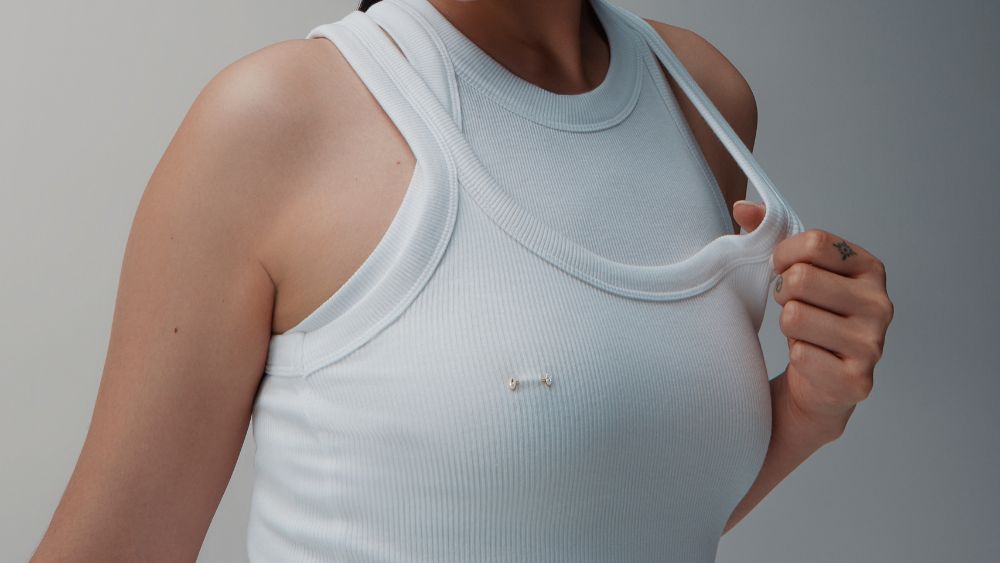
A nipple piercing is a bold choice, valued both for its aesthetic appeal and the sense of self expression it can represent. But when pregnancy begins, many questions arise: can you keep your nipple piercing during pregnancy? Is it dangerous for the nipple or the baby? What risks and precautions should you know about?
At Nébuleuse, we understand how closely a piercing can be tied to identity and confidence. That is why we wanted to offer you clear and reassuring answers to support you through every stage, pregnancy, breastfeeding and after childbirth, without compromising your safety or comfort. Discover also our piercing collection to find jewellery suited to every stage.
Getting a piercing during pregnancy
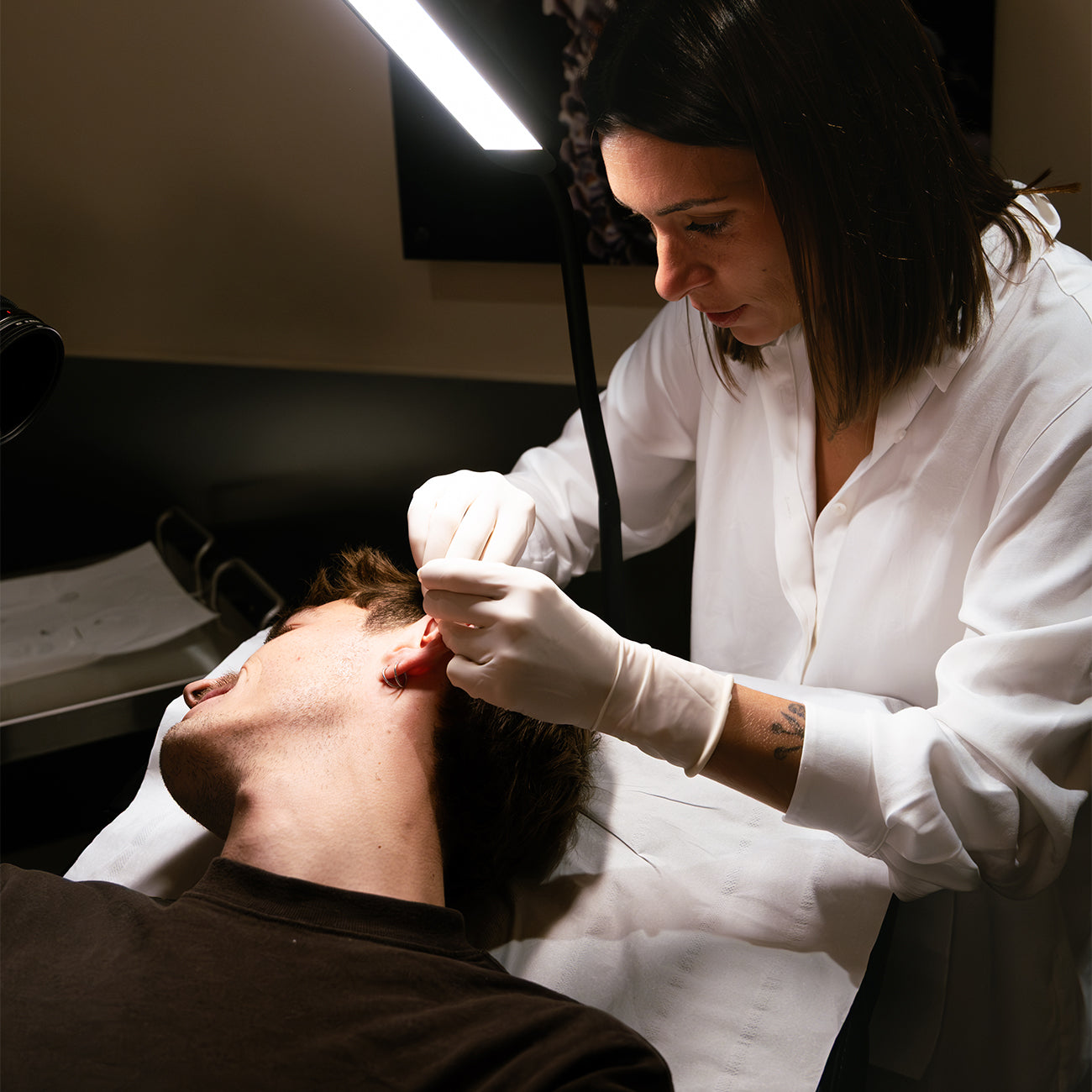
During pregnancy, the body undergoes significant hormonal and physical changes. The immune system is naturally altered, making the expectant mother more susceptible to infections. This is why professional piercers strongly advise against getting a piercing during pregnancy.
The precautionary principle fully applies here. Most piercers refuse to perform piercings on pregnant women, not out of distrust, but for health and other safety reasons. Indeed, inserting jewellery creates an entry point for bacteria, while tissue healing, slowed by hormonal changes, increases the risk of infection.
An infection or inflammation of the nipple, navel or another part of the body could have undesirable consequences, ranging from pain to more serious complications. It is therefore preferable to wait a few months after childbirth before considering a new piercing.
Pregnancy and breastfeeding: important considerations
Pregnancy and breastfeeding cause significant changes to the breasts. Their volume increases, the skin becomes stretched, and the milk ducts, which are responsible for producing and transporting milk, become more active. These changes can affect how a nipple piercing behaves.
Keeping a nipple piercing in place during pregnancy can cause discomfort or even pain. The nipple becomes more sensitive, and the healing of an existing piercing may be disrupted. In addition, during breastfeeding, a piercing that has not been removed may interfere with latching, obstruct a milk duct or increase the risk of infection. For these reasons, mothers are generally advised to remove their jewellery before beginning to breastfeed.
Once breastfeeding has ended, it is entirely possible to put the piercing back in or have it repierced, provided that the tissue has healed properly. A professional piercer can assess the condition of the piercing channel and advise you on the safest time to put the jewellery back in.
Precautions to take with piercings during pregnancy
Even if you are not planning to get a new piercing, it is still important to monitor your existing piercings. The body reacts differently during pregnancy: the skin can become more reactive, tissues stretch and healing may slow down. Cleaning your jewellery with gentle products and avoiding irritating metals are simple but essential steps.
Titanium, for example, remains a popular material for body jewellery. Lightweight, biocompatible and durable, it can reduce the risk of allergic reactions and skin irritation. Choosing high quality jewellery manufactured under strict hygiene conditions is also important for the safety of your nipple piercing.
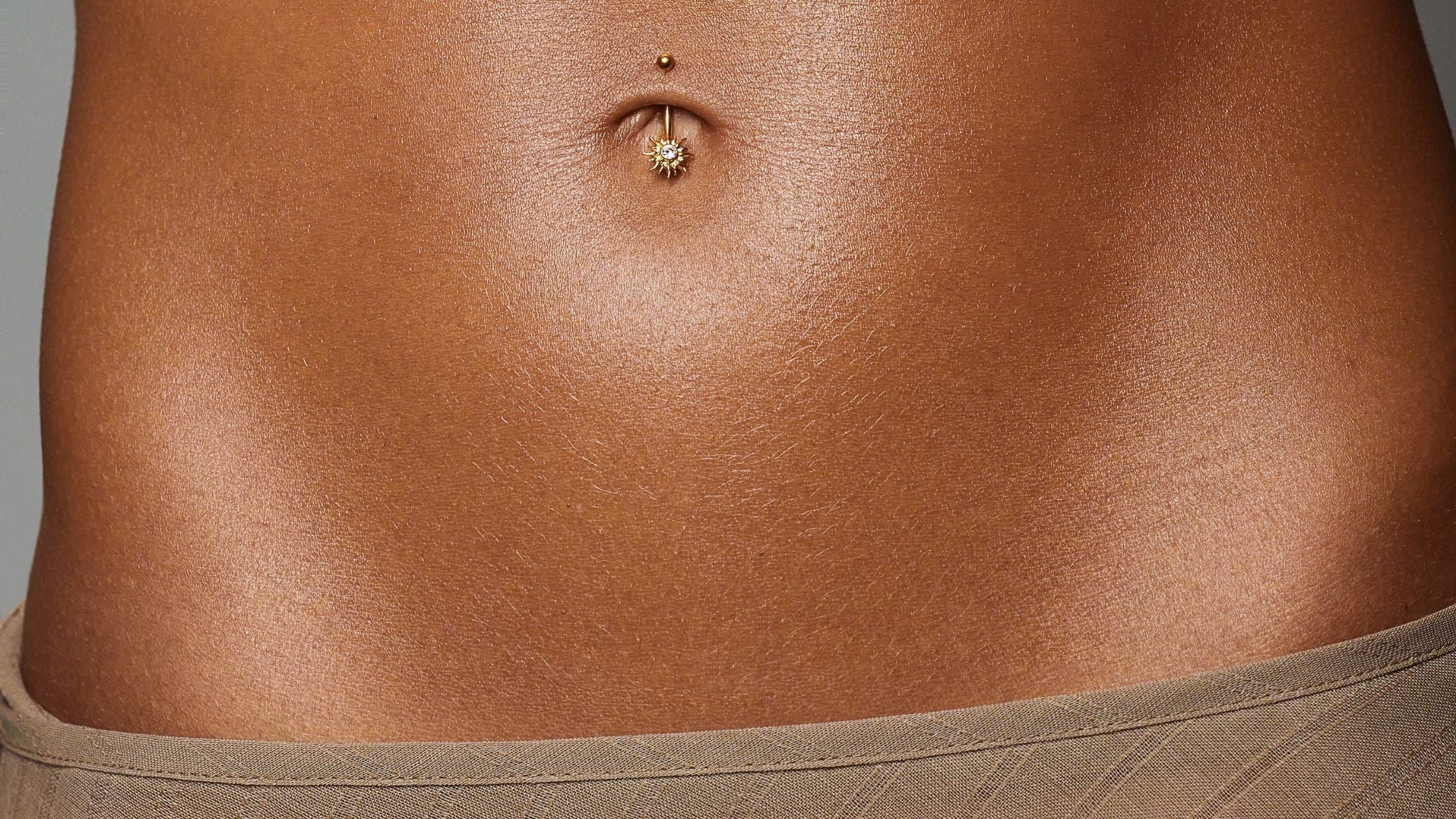
If you experience unusual discomfort, irritation or a change in colour around the jewellery, it is best to consult a professional piercer or midwife promptly. Some infections may initially go unnoticed but can become more serious later. Knowing how to care for a healing navel piercing is also important for maintaining healthy skin and tissue around the jewellery.
Tips for a smooth postpartum period
After childbirth, the body needs time to recover. Returning to normal can take several weeks or even several months depending on the individual, particularly after a caesarean section or an extended breastfeeding period.
Once the skin has settled and the tissues have regenerated, you can consider putting your jewellery back in or getting a piercing again. However, it is essential to wait until healing is complete and the sensitivity of the area has returned to normal. The question of removing a navel piercing during pregnancy remains relevant if you want to safely resume wearing your jewellery.
Nipple piercing: prioritising yourself and your wellbeing
A nipple piercing is not incompatible with motherhood, but it requires care, gentleness and good judgement. Every woman experiences this period differently, and every body responds in its own way. The most important thing is to listen to your body’s signals, respect its pace and seek guidance from qualified professionals.
A nipple, navel, nose or ear piercing is above all a personal choice and an expression of yourself, but it should never become a source of danger or pain. By choosing titanium jewellery or other high quality materials, following proper hygiene practices and applying appropriate care advice, it is possible to combine your love of piercings with the natural beauty of pregnancy.
At Nébuleuse, we believe that jewellery should accompany every stage of life without restricting it. Because your body, your choices and your wellbeing deserve the utmost care.
Read more
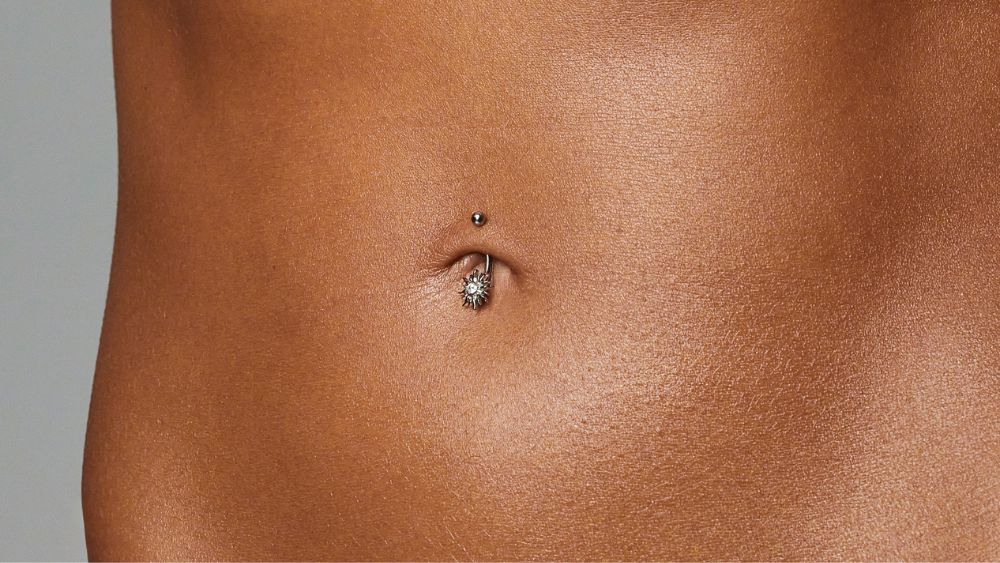
Discover everything you need to know about belly button piercing pain, from getting pierced to the healing process. Advice, aftercare and tips to help you experience it with confidence and enhance ...
In this article, we guide you step by step through the healing process: healing time, essential daily care, mistakes to avoid… You’ll find all the information you need to promote fast, smooth, and ...


