




















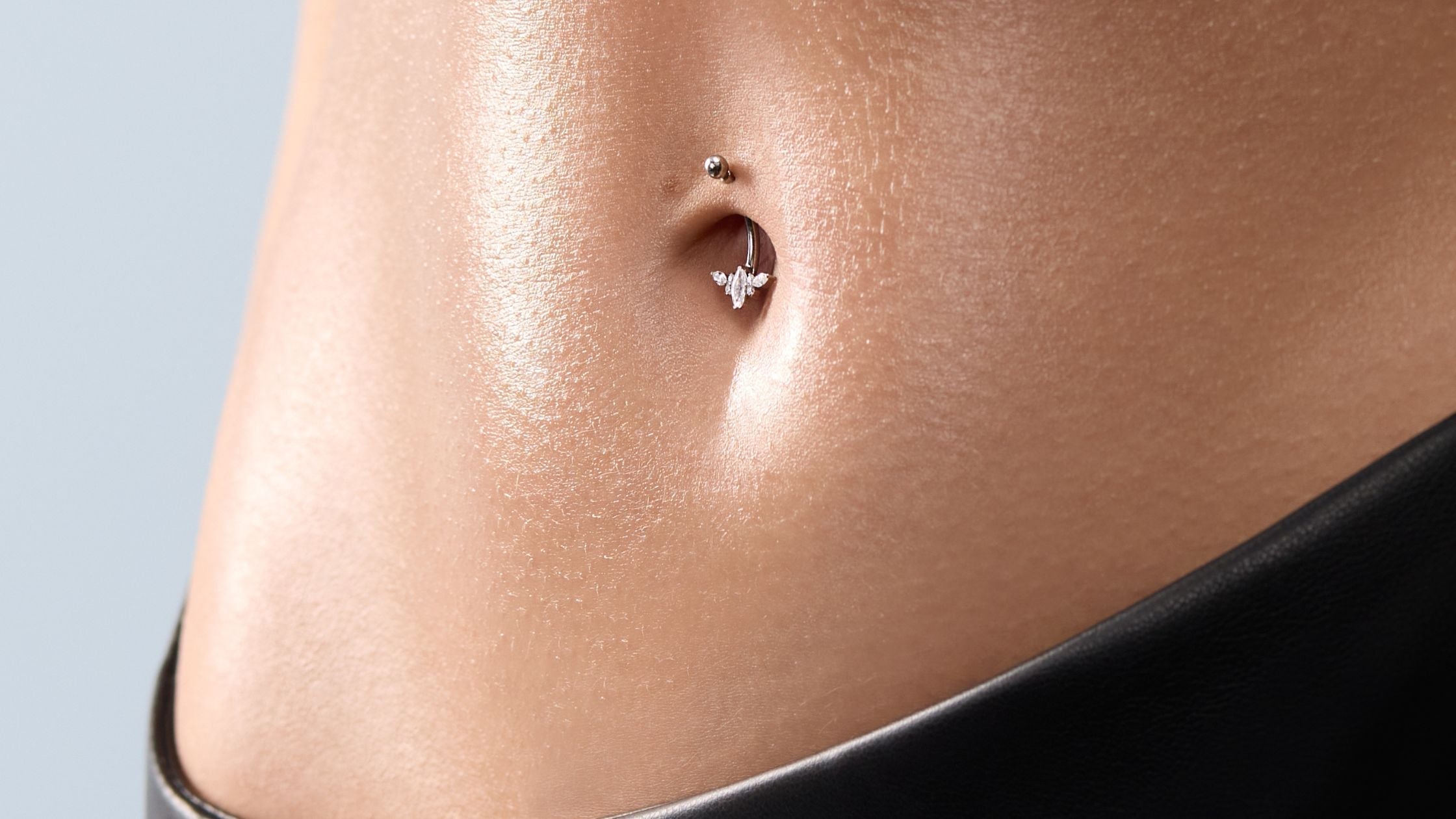
Navel Piercing Infection: Symptoms, Treatments, and Advice
Navel Piercing Infection: How to Recognize and Treat It
A poorly healed navel piercing can quickly become uncomfortable and may even lead to complications. Redness, swelling, pus, or increasing pain can be warning signs. This complete guide explains how to recognize an infected navel piercing, understand its causes, adopt the right care routine, and know when to see a doctor. Whether you have just had your piercing done or symptoms appear later, acting promptly is essential to protect your health and support proper healing.
Warning Signs You Shouldn’t Ignore
Persistent Redness Around the Piercing
Mild redness is normal in the days following a piercing. However, if it persists or becomes more pronounced, it may be one of the first signs of an infection. The skin around the piercing may become shiny, tight, and consistently inflamed.
Swelling and a Feeling of Heat
Swelling accompanied by warmth around the navel can be an early sign of inflammation. Your body naturally reacts to irritation or potential bacteria by increasing blood flow to the area, which can cause swelling, warmth, and mild tenderness.
It is important not to confuse normal inflammation during the first few days with an infection. However, if the swelling increases, the area becomes increasingly red, hot, or painful, or these symptoms persist beyond the first few days, they should be taken seriously. This is especially true if they occur alongside unusual discharge or fever.
When in doubt, consult a professional piercer or a doctor.
Pus or Unusual Discharge
A small amount of clear or slightly yellowish fluid is generally normal during the early stages of healing. This is usually lymph, a natural fluid produced by the body during the healing process.
On the other hand, thick yellow or green pus, particularly when accompanied by an unpleasant smell, can indicate a bacterial infection. Other warning signs may include increasing pain, persistent redness, significant swelling, warmth, or fever. In this situation, seek medical advice promptly.
Increasing Pain Around the Piercing
Pain that becomes progressively worse, particularly when touching the area or when clothing rubs against it, can be a sign of infection. Pain associated with an infected piercing is often localized and becomes more intense as inflammation increases.
Main Causes of a Navel Piercing Infection
Use of Non-Sterile Equipment
Piercing with improperly sterilized equipment or in an environment with inadequate hygiene significantly increases the risk of infection. Choosing an experienced professional who follows strict hygiene and sterilization procedures is therefore essential.
Improper Aftercare
Incorrect or inconsistent aftercare can interfere with healing. Using harsh products, touching the piercing with unwashed hands, or wearing tight clothing can irritate the wound and increase the risk of bacterial contamination.
Frequent Friction or Trauma
The navel is particularly exposed to friction from belts, high-waisted clothing, and certain sports activities. Repeated rubbing or accidental impacts can cause micro-injuries, prolong inflammation, and delay healing.
Allergic Reactions to the Jewelry
The jewelry material also matters. Certain metals, particularly those containing nickel, can trigger allergic reactions. High-quality materials such as implant-grade titanium are generally preferred for fresh piercings.
How to Treat an Infected Navel Piercing
Clean the Area Gently
Wash your hands thoroughly before touching the piercing. Clean the area gently with sterile saline and avoid rubbing, twisting, or unnecessarily manipulating the jewelry.
Avoid harsh products such as alcohol, hydrogen peroxide, essential oils, or other irritating substances, as they can damage healing tissue.
When Medical Treatment Is Necessary
If redness, swelling, increasing pain, warmth, pus, or fever persists or worsens, consult a doctor. A healthcare professional can determine whether medical treatment, including antibiotics, is necessary.
Do not self-medicate with antibiotics or attempt to treat a significant infection solely with home remedies.
Should You Remove the Jewelry?
Do not remove the jewelry yourself if you suspect an infection unless a healthcare professional advises you to do so. Removing it can allow the channel to close and may complicate drainage of an infection.
How to Prevent Navel Piercing Infections
Choose Appropriate Jewelry
Implant-grade titanium is commonly recommended for a fresh navel piercing because it is lightweight and highly biocompatible. Avoid low-quality costume jewelry during healing, particularly pieces containing potentially irritating metals.
Follow Good Daily Hygiene
-
Wash your hands before touching the piercing.
-
Clean it gently with sterile saline.
-
Do not rotate or play with the jewelry.
-
Avoid changing the jewelry prematurely.
-
Avoid alcohol, essential oils, and other harsh products.
-
Minimize friction from clothing.
Protect the Piercing While It Heals
During healing, avoid unnecessary exposure to swimming pools, hot tubs, and other bodies of water that may introduce bacteria. Protect the area from repeated friction, impacts, and tight clothing.
Navel piercings can take 6 to 12 months or longer to fully heal, so patience is important.
Choose a Qualified Professional
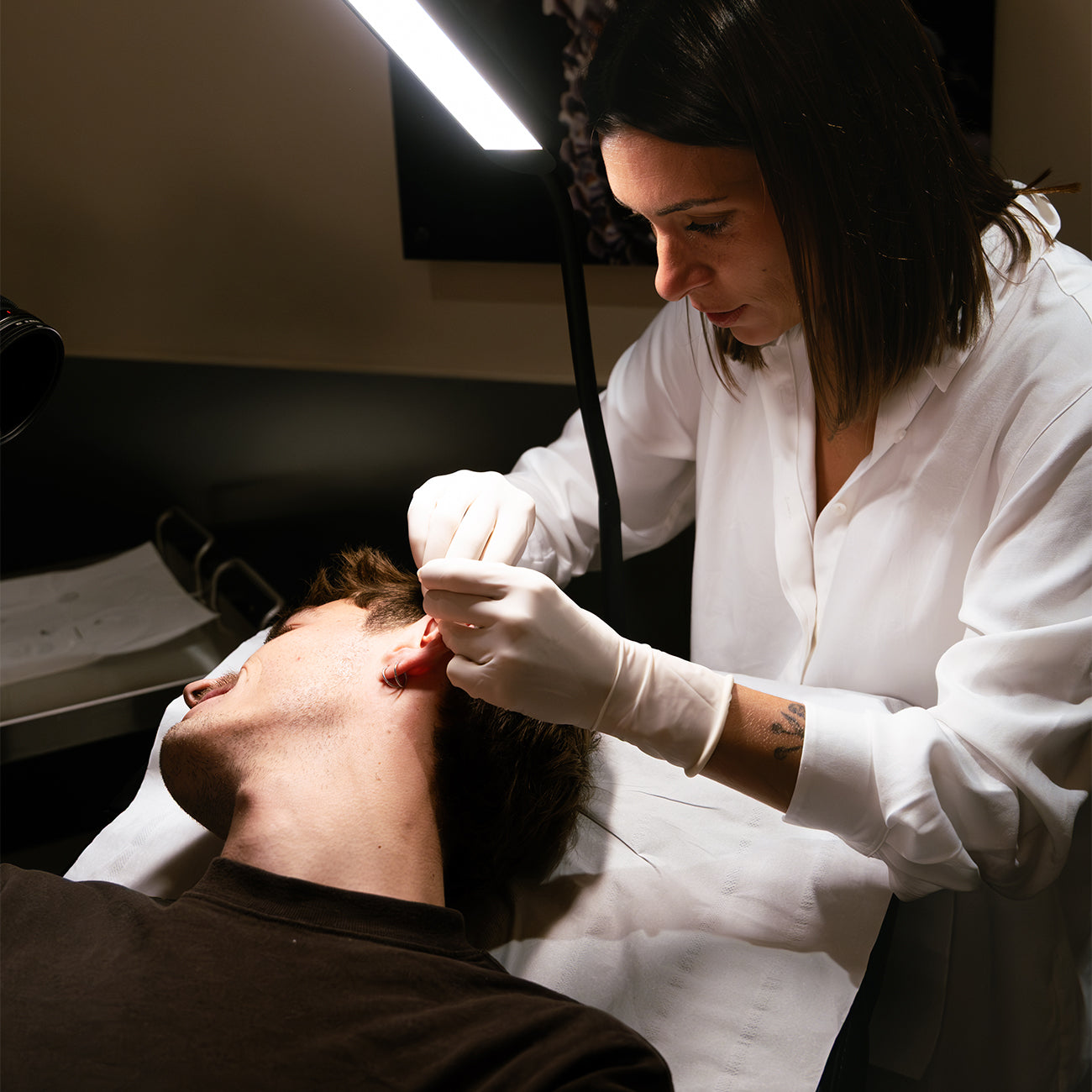
An experienced piercer should use sterile equipment, follow appropriate hygiene procedures, assess your anatomy, and provide clear aftercare instructions. If an infection is suspected, they can also advise you on when medical attention is needed.
Read more

It's a master piece in the Ear stacks: the hoop earring! It transcends trends and pairs well with a wide variety of jewelry, making it totally versatile. More or less imposing or shiny, it's an ess...
Discover everything you need to know about belly button piercing pain, from getting pierced to the healing process. Advice, aftercare and tips to help you experience it with confidence and enhance ...


