














What Is the Ideal Age for a Belly Button Piercing? Practical Advice
What Is the Ideal Age for a Belly Button Piercing? Practical Advice
Table of Contents
-
The Ideal Age: Physiological and Psychological Factors to Consider
-
Contraindications and Potential Risks of a Belly Button Piercing
Getting a belly button piercing is a personal choice that combines style, self-expression and a commitment to proper aftercare. But before taking the plunge, many people wonder what the right age is to get one. This guide covers the legal, physical, psychological and practical considerations to help you make an informed decision and approach your belly button piercing safely.
Understanding the Appeal of Belly Button Piercings
Popularity and Symbolism
Belly button piercings have been popular since the 1990s and are often seen as a stylish accessory that reflects personality and individuality. For many people, getting one can also represent confidence, independence or simply the desire to express their personal style.
A Personal Decision Above All
A belly button piercing should be a well-considered decision. You should be prepared for the healing process, regular aftercare and the responsibility of following your piercer's recommendations. Having the right information about potential risks, contraindications and safe piercing practices is essential for a positive experience.
Legal Considerations and Age Recommendations
Local Laws and Regulations
Piercing regulations vary depending on the country and local rules. In France, minors generally require parental or legal guardian consent to get a piercing. Professional studios may also have their own age requirements and identification procedures.
At Nébuleuse Bijoux, minors must be accompanied by a parent or legal guardian, who must provide the required physical identification documents and give consent. This procedure helps ensure that the piercing is performed under appropriate conditions.
Professional Recommendations
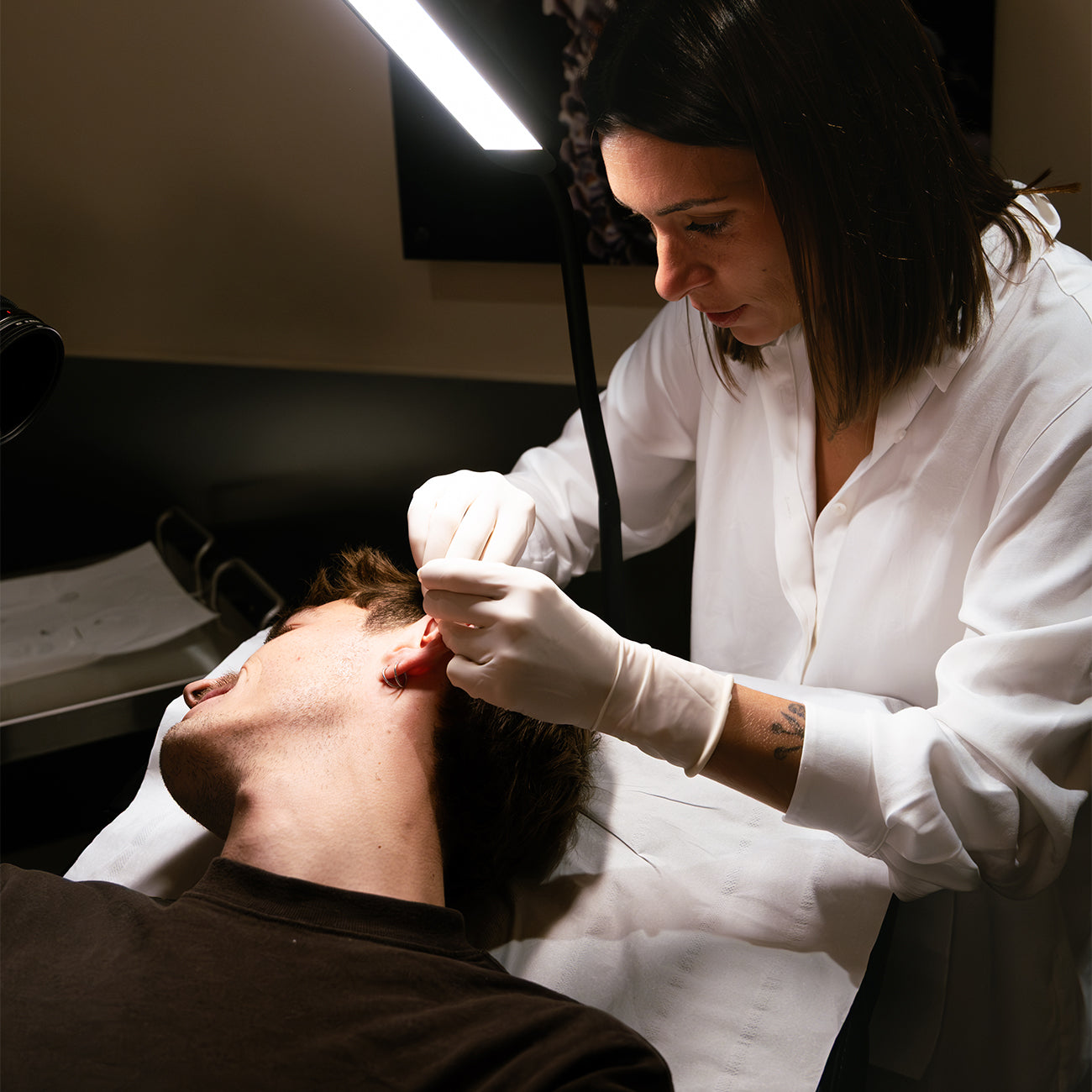
A professional piercer will assess the anatomy of the navel, the skin around the area and the appropriate jewelry before performing the piercing. They can also explain the healing process and potential contraindications.
The Ideal Age: Physiological and Psychological Factors to Consider
Physical Maturity
There is no single "ideal age" that applies to everyone. Physical development, anatomy and individual healing ability are all important factors.
Waiting until you are mature enough to understand the commitment involved can make the experience easier. A belly button piercing requires patience, proper hygiene and several months of healing.
Mental Readiness and Responsibility
A belly button piercing also requires commitment. You should understand that healing takes time and that proper aftercare is essential.
Before getting pierced, make sure you are prepared to follow your piercer's instructions, avoid unnecessary pressure or friction on the area and give your body the time it needs to heal naturally.
Parental Consent: A Requirement for Minors
The Importance of Communication Between Parents and Children
For minors, discussing the decision with a parent or legal guardian is essential. This gives them the opportunity to understand the procedure, potential risks, aftercare requirements and the commitment involved.
Support During the Process
Having a parent or guardian involved can also make it easier to follow aftercare instructions and monitor the healing process. This is particularly important with a belly button piercing, which can take longer to heal than a standard lobe piercing.
Preparing for Your First Belly Button Piercing
Choosing the Right Studio and Piercer
Choosing a reputable professional is one of the most important steps. Look for a studio that follows strict hygiene practices, uses sterile equipment and works with high-quality piercing jewelry.
Your piercer should also assess your anatomy, discuss the jewelry options and explain the piercing and healing process before getting started.
Precautions Before Getting Pierced
Before your appointment:
-
Make sure the skin around your navel is healthy.
-
Avoid unnecessary products or treatments that could irritate the area.
-
Wear loose, comfortable clothing to reduce friction around your stomach.
Aftercare and Follow-Up
After getting pierced, proper aftercare is essential. Always wash your hands before touching the piercing and clean the area gently with sterile saline solution, following your piercer's recommendations.
Avoid unnecessary manipulation of the jewelry and keep an eye out for signs of irritation or infection. Following professional aftercare instructions will help support a healthy healing process.
Contraindications and Potential Risks of a Belly Button Piercing
Possible Complications
Like any piercing, a belly button piercing can involve certain risks, including irritation, infection, migration or rejection. Individual factors such as skin sensitivity, healing ability and anatomy can also affect the healing process.
Choosing a qualified piercer, using appropriate jewelry and following proper aftercare can help reduce these risks.
The Importance of Proper Aftercare
Good hygiene and consistent aftercare are key to successful healing. Avoid unnecessary friction and pressure, use only recommended products and give the piercing enough time to heal.
If you notice increasing pain, significant swelling, unusual discharge or other concerning symptoms, contact your piercer or a healthcare professional.
Conclusion
Getting a belly button piercing is a personal decision that deserves some thought and preparation. Rather than focusing on a specific "ideal age," it is important to consider legal requirements, physical maturity, personal readiness and the ability to properly care for the piercing.
Choosing a reputable professional, high-quality jewelry and following the recommended aftercare are essential for a safe and successful experience.
Read more
What Is the Best Helix Piercing? The helix piercing has become a true fashion symbol. Located on the upper rim of the cartilage, this type of piercing is popular for its versatility and the many cu...

Want a bold look without the needle? Discover how to choose and wear an ear cuff on unpierced ears.


