



















Why Choose a Titanium Piercing Instead of Silver?
Table of Contents
- The Specifics of Silver for Piercings
- The Exceptional Properties of Medical-Grade Titanium
- Technical Comparison: Nébuleuse Jewelry Excellence
925 sterling silver is an iconic material in French jewelry: precious, bright, and rich in history. However, piercing jewelry comes with specific biological requirements. At Nébuleuse Jewelry, we celebrate the elegance of silver for fashion jewelry while recommending medical-grade titanium for jewelry inserted into a piercing. Here's how to make the right choice for both comfort and skin health.
The Specifics of Silver for Piercings
Silver is a precious metal known for its distinctive bright, white appearance. Because pure silver is too soft for everyday jewelry, 925 sterling silver is commonly used, containing 92.5% silver and 7.5% other metals, often copper.
Oxidation: A Natural Characteristic of Silver
Silver naturally reacts with sulfur compounds present in the air and on the skin, causing it to develop a darker surface layer over time. While this patina can add character to traditional earrings, it requires more maintenance when silver is worn in a piercing.
In humid environments, such as inside a piercing channel, this reaction may sometimes leave temporary dark marks on the skin.
925 Silver Composition and Skin Comfort
Because sterling silver is an alloy, it contains other metals that can vary depending on the composition. Some people with sensitive skin may experience irritation or reactions to certain alloys.
This is one reason why titanium piercing jewelry is widely preferred for fresh and healing piercings.
The Exceptional Properties of Medical-Grade Titanium
Titanium is not simply an alternative to silver. It is one of the materials commonly recommended by professional piercers for fresh piercings because of its excellent biocompatibility.
Optimal Biocompatibility for Comfortable Healing
Implant-grade titanium is highly biocompatible, meaning it is generally well tolerated by the human body. This makes it particularly suitable for jewelry used during the healing process.
For a new body piercing, choosing an appropriate material can help minimize unnecessary irritation while the piercing heals.
Lightweight and Durable: Nébuleuse Jewelry Standards
At Nébuleuse, we carefully select our materials to combine comfort, durability, and style:
- ASTM F136: an implant-grade titanium standard widely used for body jewelry.
- Highly resistant: titanium does not rust and is designed to withstand everyday exposure to water and perspiration.
- Lightweight: ideal for comfortable everyday wear.
Nébuleuse Bijoux
Technical Comparison: Nébuleuse Jewelry Excellence
| Criteria | 925 Sterling Silver | Standard Titanium (Grade 23) | Nébuleuse Titanium (ASTM F136) |
|---|---|---|---|
| Biocompatibility | Moderate | High | Very high |
| Weight | Relatively heavier | Lightweight | Very lightweight |
| Reaction to water | Can tarnish | Resistant | Highly resistant |
| Allergy risk | Depends on alloy composition | Low | Very low when properly certified |
| Fresh piercing | Generally not recommended | Suitable | Well suited |
| Maintenance | Regular cleaning may be needed | Low | Very low |
In conclusion, silver remains an excellent material for traditional jewelry. But when it comes to jewelry inserted into a fresh or healing piercing, implant-grade titanium is generally the better choice. It combines lightness, durability, and excellent biocompatibility for comfortable everyday wear.
Is 925 sterling silver good for a piercing?
925 sterling silver can be suitable for some types of jewelry, but it is generally not recommended for a fresh or healing piercing. Implant-grade titanium is a more appropriate choice during the healing period.
Can I wear silver in an unhealed piercing?
It is generally best to wait until the piercing has fully healed before switching to silver. During healing, opt for properly fitted, implant-grade jewelry such as ASTM F136 titanium.
Why does my silver jewelry change color?
Silver naturally tarnishes when it reacts with sulfur compounds in the environment. This does not necessarily mean the silver is poor quality. A suitable silver polishing cloth can help restore its shine.
Does titanium contain nickel?
Implant-grade titanium such as ASTM F136 is considered an excellent option for people concerned about nickel exposure. However, always check the material certification and composition of the specific jewelry.
What is the best metal for a nose piercing?
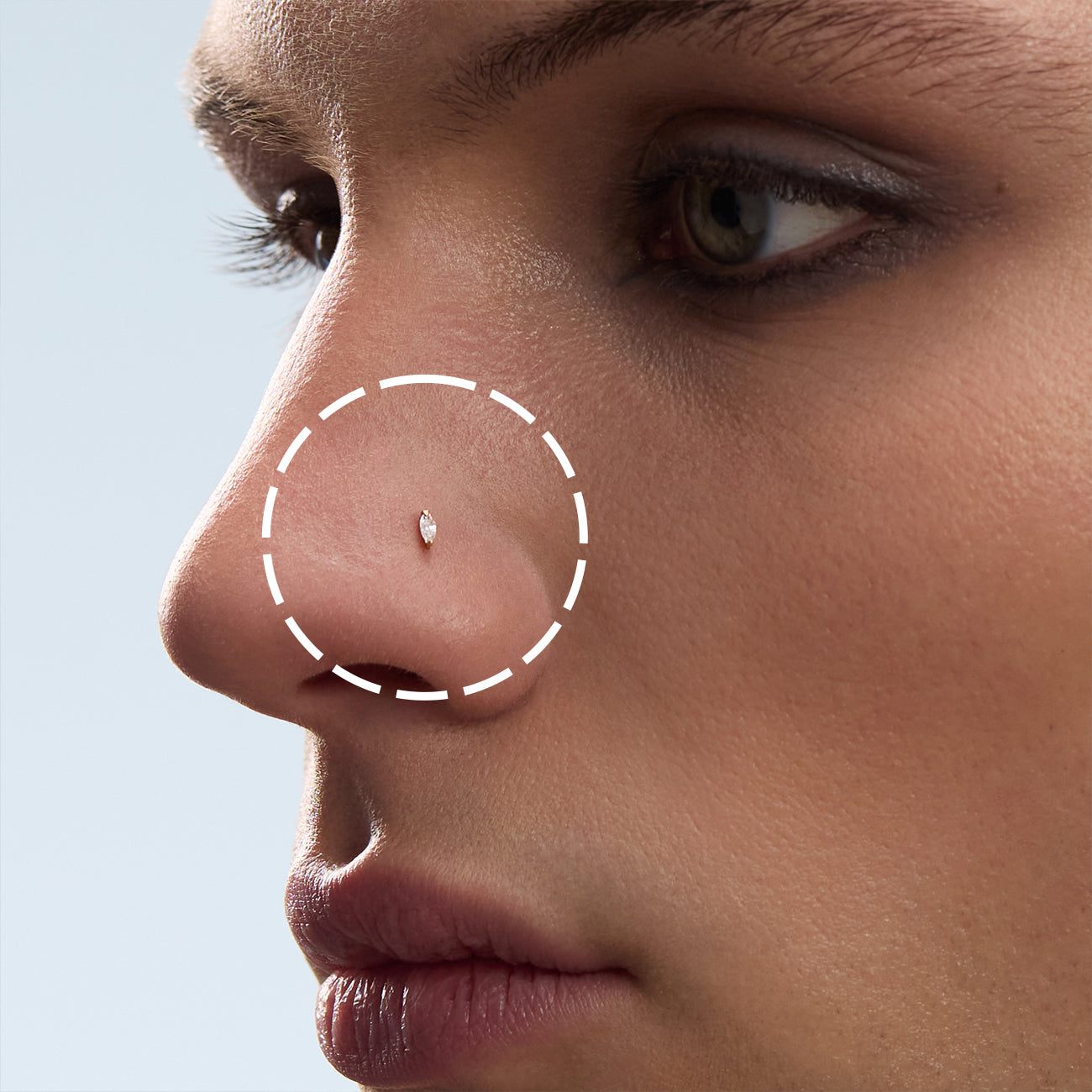
Implant-grade titanium is one of the most commonly recommended materials for a fresh nose piercing because it is lightweight, durable, and highly biocompatible.
Read more

Discover how to choose the perfect jewelry for a chic and minimalist triple lobe piercing.
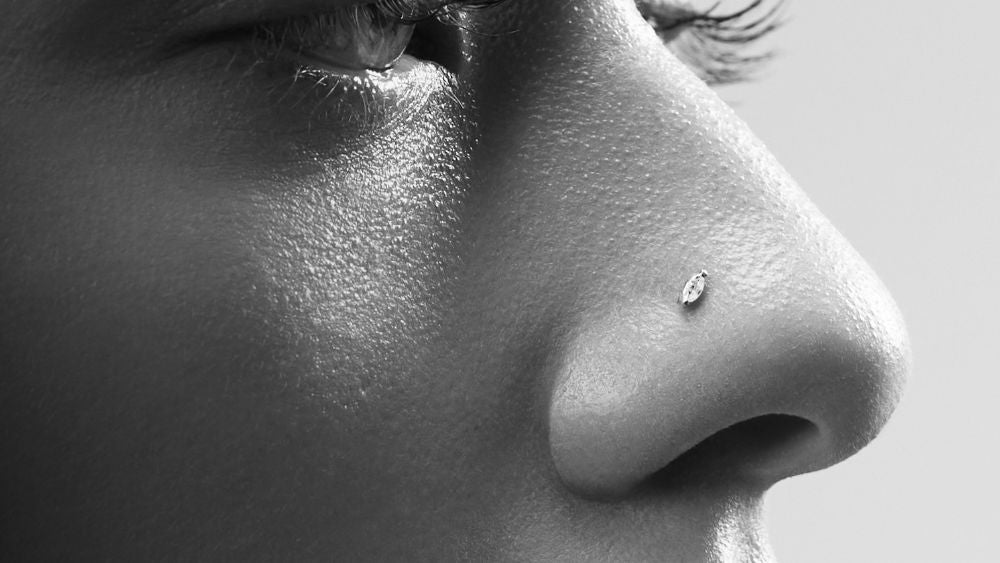
A nose piercing is much more than just a piece of jewelry. Discover its origins, different meanings, and how it has become a powerful form of self-expression across cultures and generations.


