



















Nipple piercing rejection: what to do
Table of Contents
Nipple piercing is a bold aesthetic choice, appealing both for its originality and its symbolic dimension. However, despite all possible care, rejection can sometimes occur. This natural reaction of the body, although frustrating, is not uncommon and deserves to be understood in order to be managed properly.
In this article, we explain the causes, signs, and steps to take to reduce the risks, promote healing, and know how to react in the event of nipple piercing rejection.
Understanding the Rejection Process
What Is Piercing Rejection?
Piercing rejection is a process in which the body "pushes out" the jewelry because it recognizes it as a foreign object. In other words, the immune system reacts as it would to a splinter or another invasive element. Gradually, the skin becomes thinner around the jewelry until it moves or comes completely out.
This phenomenon is particularly common with surface piercings or piercings located in areas subject to friction, and the nipple is one of them. Although rejection does not happen systematically, it is still something to be aware of.
Rejection should not be confused with simple irritation or an infection: in the case of rejection, the skin literally pushes the jewelry out, whereas in the other cases, it is a temporary inflammatory reaction.
Common Causes of Rejection
Several factors can explain nipple piercing rejection:
-
Unsuitable materials: low-quality jewelry containing nickel or allergenic metals increases the risk of a skin reaction.
-
Piercing depth: a piercing that is too shallow or incorrectly positioned makes jewelry migration more likely.
-
Poor healing: inadequate aftercare, an infection, or repeated friction can slow healing and trigger rejection.
-
Skin tension: nipple skin is thin and sensitive, making it more prone to this type of reaction.
-
The body's natural response: some people simply have more reactive skin or a more vigilant immune system.
Identifying the Signs of Rejection
Visible Changes in the Position of the Piercing
One of the first signs of rejection is a visible shift in the jewelry. You may notice that the piercing appears to be "sliding" or moving closer to the surface of the skin. The channel may stretch or become more visible, making the jewelry appear less deeply anchored than it was originally.
In some cases, the jewelry becomes asymmetrical or tilts slightly. This is often a sign that the skin is becoming thinner around the channel. These changes should never be ignored, as they may indicate that the rejection process is underway.
Warning Signs: Redness, Pain, Inflammation
In addition to visible changes, certain physical symptoms may indicate rejection:
-
Persistent redness around the jewelry
-
Absence of pain
-
Increased visibility of the piercing bar
Prevention and First Aid
Choosing the Right Jewelry Material
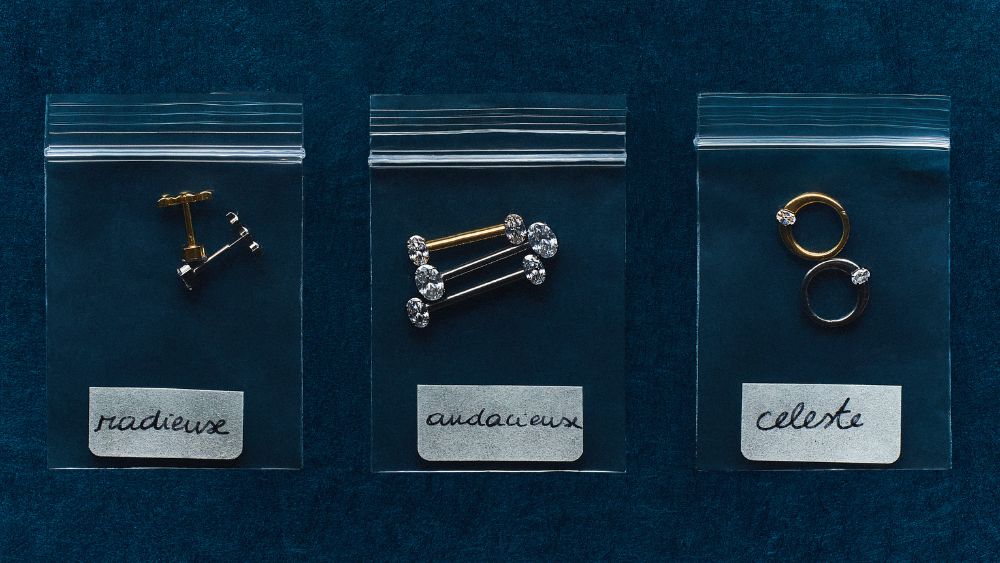
The best way to prevent rejection starts even before getting the piercing. The choice of jewelry plays a key role in how well the body tolerates it. Hypoallergenic materials, such as ASTM F136 titanium, should be preferred.
Titanium, in particular, is lightweight, biocompatible, and nickel-free, which greatly limits the risk of allergic reactions. Plated or fashion jewelry should be avoided, especially during the healing period, as it may irritate the skin or trigger an immune reaction.
The size of the jewelry is also important: a bar that is too short will put pressure on the skin, while one that is too long is more likely to snag. A professional piercer will be able to adjust the length and diameter according to your anatomy.
Tips During the Healing Period
During nipple piercing healing, certain precautions can help reduce the risk of rejection:
-
Avoid repeated friction caused by tight clothing, rigid bras, or synthetic fabrics.
-
Clean the piercing twice a day with sterile saline solution.
-
Do not touch the jewelry without thoroughly washing your hands.
-
Avoid prolonged baths, swimming pools, and the sea during the first few weeks.
-
Monitor any pain or unusual changes: the earlier a problem is detected, the easier it is to address.
Good daily hygiene and constant attention are the best allies for successful healing.
The Importance of Proper Hygiene
Hygiene is the cornerstone of prevention. Regular cleaning helps prevent bacterial growth, reduces inflammation, and helps the skin regenerate more effectively.
It is recommended to use a saline solution or a specific piercing spray without alcohol or irritating ingredients. Strong antiseptics, such as Betadine or hydrogen peroxide, can dry out the skin and slow healing.
Finally, remember that rest and a healthy lifestyle also play a role: a balanced diet and good sleep support skin regeneration.
VIEW
VIEW
VIEW
Steps to Take in Case of Potential Rejection
When to Remove the Jewelry: Advice and Precautions
If you notice that the piercing is visibly moving or that the skin is becoming thinner, do not wait for the jewelry to fall out on its own. In these situations, it is often preferable to remove the jewelry before the skin tears completely.
However, removal should always be performed carefully: never pull forcefully on the jewelry. The best option is to consult your professional piercer, who can assess the situation and remove the jewelry properly if necessary. This helps limit scarring and prevent infections.
Consult a Professional: Piercer or Doctor
An experienced piercer should be your first point of contact if you have any concerns. They can determine whether it is actually rejection or simply temporary irritation. If rejection is confirmed or the area shows signs of infection, such as severe pain, yellowish discharge, or localized fever, it is essential to consult a doctor.
A healthcare professional can prescribe a topical or antibiotic treatment if necessary and check that the area is healing properly after the jewelry has been removed.
Options After Rejection: Healing, Re-piercing and Alternatives
After rejection, you should allow the skin to heal completely before considering a new piercing. This can take several months depending on the extent of the damage.
Once the area has fully recovered, re-piercing may be possible, but at a sufficient distance from the scar tissue. Your piercer will be able to advise you on the best placement and the appropriate time.
For those who do not wish to try again, there are aesthetic alternatives, such as temporary jewelry or surface piercings in other areas of the body. The most important thing is to respect your body and its limits.
Managing the Aesthetic and Psychological Aspects
Accepting Changes and Possible Scarring
Rejection may leave a small scar or a slightly discolored area. If this happens, it is important not to blame yourself: it is neither a mistake nor a failure, but simply a natural reaction of the body.
Certain healing creams or natural oils may help improve the appearance of the skin once the wound has fully closed.
Psychologically, rejection can be disappointing. However, it is part of the normal experience for some people who explore body modifications. The important thing is to learn from the experience and approach the next steps calmly.
Considering Re-piercing and Alternative Body Modifications
If you are considering getting the piercing again, wait until the area is completely healed and discuss it with a professional. They will be able to assess whether it is feasible and advise you on the most suitable jewelry and placement to help prevent recurrence.
Other forms of body modification, which may be gentler or temporary, can also provide an alternative: piercings in other areas, non-piercing jewelry, or decorative accessories. The most important thing is to respect your own pace and comfort.
Read more

Understand the pain associated with nipple piercings, the factors that influence it, and the steps to take to minimize discomfort and promote fast and safe healing.

What Is the Best Helix Piercing? The helix piercing has become a true fashion symbol. Located on the upper rim of the cartilage, this type of piercing is popular for its versatility and the many cu...


