

















Belly Button Piercing Healing: Stages and Helpful Tips
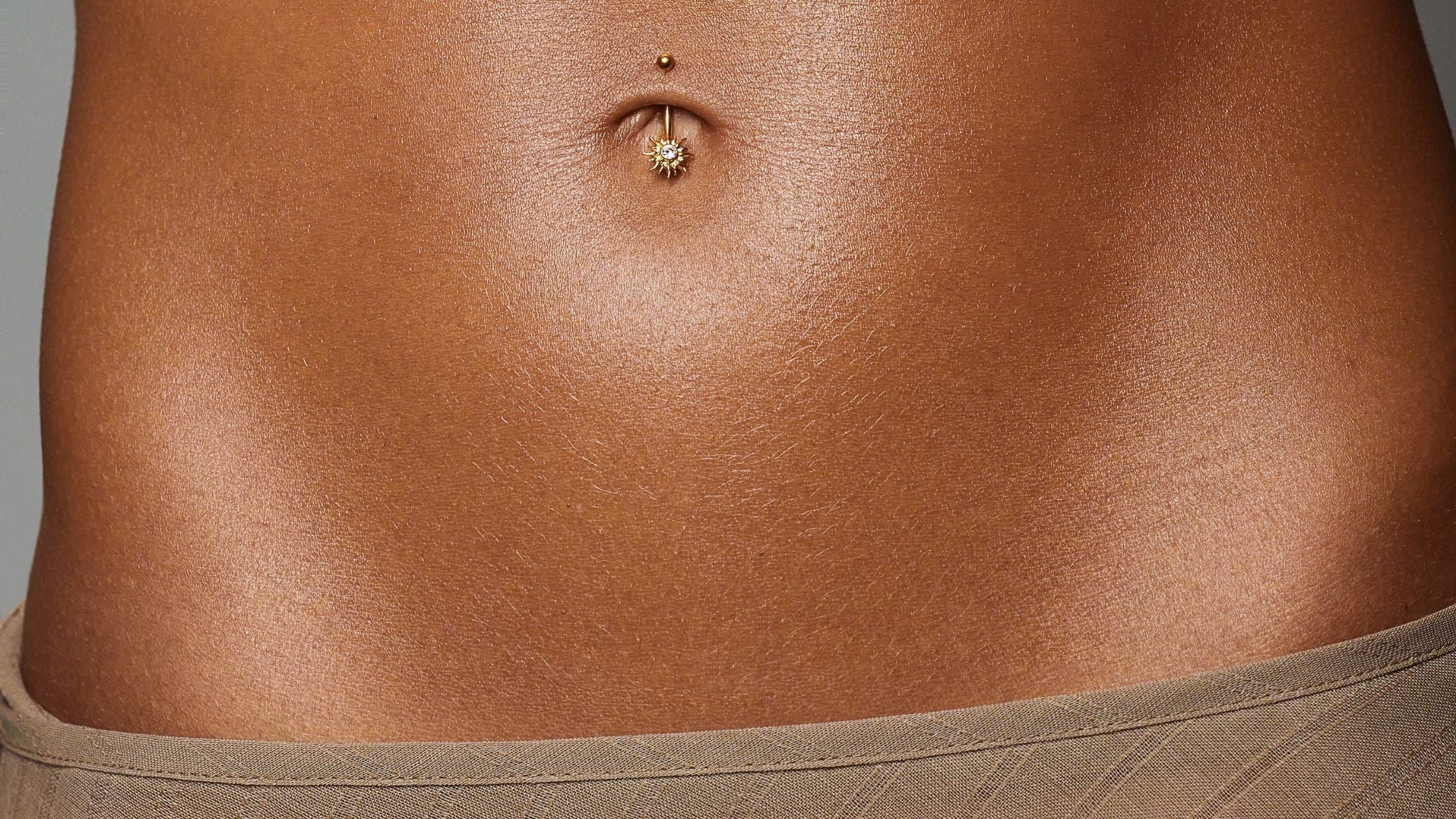
The belly button piercing is a very popular piece of jewellery, particularly among women, thanks to its style and elegance. But as with any form of body modification, it is essential to understand the healing stages, follow proper aftercare and know how to recognise the signs of a possible infection. This comprehensive guide answers the most frequently asked questions about belly button piercing healing.
Understanding the healing process of a belly button piercing
The stages of healing
Healing a belly button piercing takes place in several stages:
-
Inflammatory phase: immediately after piercing, the area may be red, slightly swollen and sometimes painful. This is normal.
-
Proliferative phase: the body begins producing new cells to repair the skin around the jewellery.
-
Maturation phase: the tissue becomes stronger and healing becomes more stable.
Average healing time for a belly button piercing
A belly button piercing generally takes 6 to 12 months to heal. This can vary depending on several factors, such as hygiene, aftercare and the type of jewellery used.
Factors affecting healing
Factors that can slow down or complicate healing include:
-
Repeated contact with swimming pool or seawater (avoid this for 1 month after getting pierced),
-
Snagging on clothing or touching the piercing with your hands,
-
Using a ring or jewellery that is unsuitable for the shape or position of the navel,
-
Changing the jewellery too early,
-
Intense physical activity,
-
Lack of proper aftercare.
Tips for promoting proper healing
Daily hygiene and cleaning
Clean your belly button piercing twice a day with saline solution or a mild pH neutral soap. Always wash your hands before touching the area. Avoid harsh products such as alcohol, essential oils or antiseptics unless there is an infection.
Jewellery choice: recommended materials and avoiding frequent changes
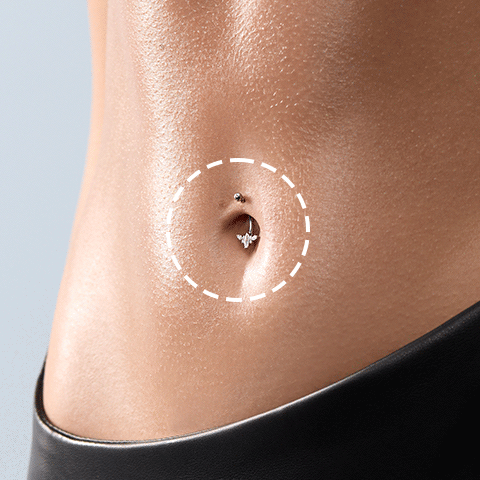
Choose titanium jewellery, a hypoallergenic material that is ideal for healing. For initial jewellery, avoid rings: a curved barbell, also known as a "banana", is much more suitable. It is essential not to remove or change the jewellery until the belly button piercing has completely healed.
Nutrition and hydration: their role in healing
A balanced diet rich in vitamins and zinc, along with adequate hydration, helps the body regenerate more effectively. This is often overlooked, but it can make a significant difference.
Activities and clothing: what to avoid
Avoid clothing that is too tight or belts that rub against the navel. Avoid contact sports throughout the healing period of a belly button piercing, as impacts or friction can cause irritation, delay healing or even lead to complications such as infection or rejection. It is also recommended to avoid water based activities such as swimming pools, the sea or lakes for at least one month after getting pierced. These environments can encourage the growth of germs. If you do swim, rinse the area thoroughly with saline solution immediately afterwards to reduce the risk.
Warning signs and possible complications
Recognising an infection
A belly button piercing can become infected, especially if aftercare is not followed correctly. Here are some symptoms to watch for:
-
Persistent redness,
-
Significant swelling,
-
Severe or throbbing pain,
-
Yellow or green discharge,
-
Unpleasant odour.
In this case, it is best to consult a professional piercer or doctor. Avoid removing the jewellery yourself, as this could make the situation worse.
Piercing rejection
In some cases, the skin may gradually push the jewellery out, which is known as rejection. The bar becomes increasingly visible, the skin becomes thinner and the jewellery may eventually begin to protrude. This process is generally painless but requires close attention. If you notice this happening, consult a piercer or experienced professional promptly.
Allergies and reactions to jewellery
Some people react badly to metals such as nickel. Always choose quality materials such as titanium or gold of at least 14 karats to reduce these risks.
When should you consult a professional?
If you have any concerns, unusual pain or if the appearance of your belly button piercing seems abnormal, you can visit one of our Nébuleuse stores, where our piercers will be happy to advise you. If necessary, do not hesitate to consult a doctor for medical follow up.
Changing the jewellery: when and how?
Once the piercing has healed, generally between 6 and 12 months, you can change the jewellery. For greater safety, it is best to have this done by a professional to avoid improper handling.
Long term cleaning to prevent infections
Even after healing, it is a good idea to clean your piercing regularly, especially after exercising or swimming.
Impact of water based and sporting activities
Swimming pool, sea and lake water can contain germs. Even after healing, always rinse the area after swimming. Avoid activities where the navel may be subjected to pressure or strain, such as heavy lifting, intense yoga or contact sports.
Frequently asked questions about belly button piercing healing
Can you speed up the healing process?
There is no miracle solution, but regular aftercare, good hygiene, balanced nutrition and suitable jewellery can greatly support faster healing.
How do I know if my belly button piercing is completely healed?
The area should no longer be red or painful and should not have crusting or discharge. The jewellery should move freely without discomfort. If you are unsure, ask a professional for advice.
Is healing the same for all types of belly button piercings?
No. Some piercings, such as those positioned lower on the navel or on the sides, may take longer to heal depending on your anatomy, the jewellery placement and the care provided.
Read more
Nipple piercing and pregnancy often raise questions. Discover our advice for getting through this period safely, protecting your skin and maintaining your comfort before, during and afte...

Discover how to combine nipple piercing and breastfeeding: remove the jewelry during feedings, clean the nipples regularly, and consult a lactation specialist to enjoy this experience safely and wi...


