















Belly Button Piercing Keloid: Everything You Need to Know
Table of Contents
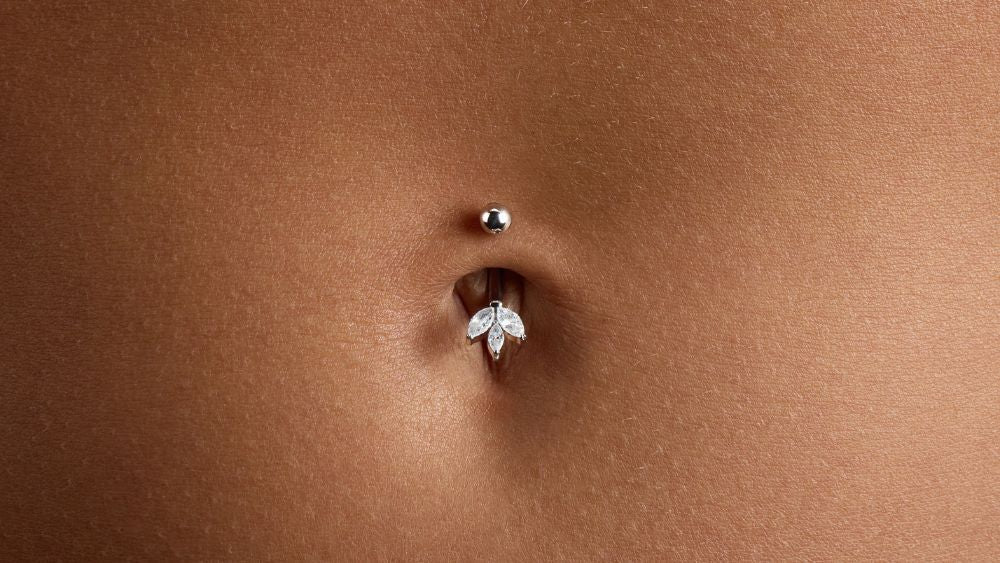
A belly button piercing is a timeless body jewelry favorite, but its healing process can sometimes come with a few challenges. Among the potential complications, the appearance of a keloid can be a source of concern. While getting a new piercing is exciting, the healing process can sometimes lead to unexpected bumps or areas of excess tissue.
In this article, we'll explore the causes, possible solutions, and essential care tips for dealing with these skin changes and supporting healthy healing.
Understanding Keloids
A keloid is not simply a scar. It is an abnormal skin reaction caused by an overproduction of fibrous tissue. During normal healing, scar tissue remains within the boundaries of the original wound. A keloid, however, extends beyond the initial area of the piercing. It often appears as a firm, smooth lump or raised area of skin.
Several factors can contribute to their development, including excessive friction, unsuitable jewelry, and genetic predisposition. Unlike rejection or infection, a keloid is the result of an abnormal wound-healing response.
How to Identify a Keloid
It is important to distinguish between a keloid, an infection, and early signs of piercing rejection.
An infection is often associated with significant redness, warmth, swelling, increasing pain, or pus. A keloid, on the other hand, is typically a firm area of raised scar tissue that continues to grow beyond the original wound.
Small bumps can also develop around a healing piercing and do not necessarily mean that you have a keloid. Irritation bumps, for example, can be caused by friction, pressure, or unsuitable jewelry and may improve once the source of irritation is addressed.
If you notice a persistent or growing lump around your piercing, avoid using harsh products and seek advice from a qualified piercer or healthcare professional for an accurate diagnosis.
How to Prevent a Keloid
The best approach is prevention through appropriate aftercare from the moment your piercing is done. Choosing high-quality jewelry is particularly important. Implant-grade titanium, such as ASTM F136 titanium, is commonly recommended for fresh piercings because it is highly biocompatible and well tolerated by the skin.
Essential Aftercare Tips
-
Keep it clean: Use sterile saline solution to gently clean the area around your piercing.
-
Give it time: Healing takes patience. Avoid putting unnecessary pressure on the piercing, including while sleeping.
-
Avoid touching it: Do not twist, rotate, or repeatedly handle your jewelry, especially with unwashed hands.
-
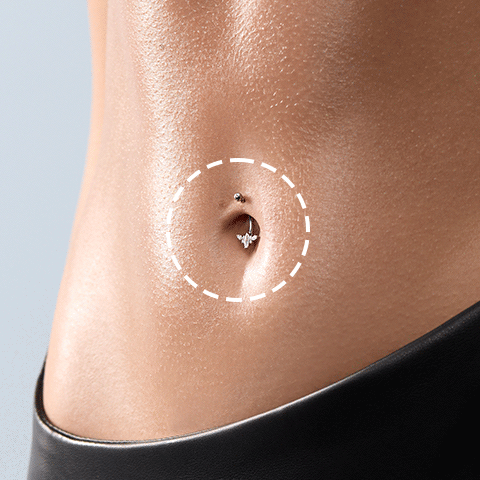
Minimize friction: Tight clothing and repeated rubbing can irritate a healing navel piercing.
Solutions and Treatments for Raised Scars
If you notice an unusual growth around your piercing, the appropriate treatment depends on what is actually causing it.
Avoid applying tea tree oil or other concentrated essential oils to a healing piercing. They can irritate or damage the skin and may make inflammation worse.
For a true keloid, professional medical treatment may be necessary. A dermatologist can assess the scar and recommend appropriate options, which can include corticosteroid injections, silicone-based treatments, or other procedures depending on the severity.
Do not attempt to cut, puncture, or remove the growth yourself. If the area is painful, rapidly increasing in size, hot, very red, or producing pus, seek medical advice promptly.
Choosing the Right Jewelry
Choosing high-quality jewelry is essential for reducing unnecessary irritation during healing. For a fresh navel piercing, look for jewelry made from implant-grade materials, correctly sized for your anatomy and fitted by a professional piercer.
The right jewelry should allow enough room for normal swelling without being excessively long or constantly catching on clothing. An experienced piercer can help determine the appropriate size and style for your anatomy.
With proper jewelry, gentle aftercare, and patience, you can give your piercing the best possible conditions for a healthy healing process.
Frequently Asked Questions
How can I tell if it's a keloid or an infection?
A keloid is an overgrowth of scar tissue that can extend beyond the original piercing wound. An infection is more likely to involve increasing pain, significant redness or warmth, swelling, and potentially pus or other unusual discharge. If you're unsure, consult a healthcare professional.
Is tea tree oil effective for treating a keloid?
Tea tree oil is sometimes recommended online, but it can be irritating and is not recommended for use on a healing piercing without professional advice. For a suspected keloid, a dermatologist can recommend safer, evidence-based treatment options.
What type of jewelry should I choose?
For a fresh piercing, implant-grade titanium is a reliable choice because of its biocompatibility. Proper sizing and professional fitting are just as important as the material itself.
Read more
Realistic, high-quality fake piercing? Discover the world of Nébuleuse Bijoux, the go-to reference for trendy, elegant, and affordable fake piercings. Combine style, comfort, and freedom of express...
The conch piercing is loved for both its elegant look and the potential wellness benefits often associated with it. Discover its aesthetic advantages, its potential effects on stress, and essential...


